
30-Second Quick Read: Key Takeaways
- Core Definition: WBT stands as one of Europe’s largest cryptocurrency exchanges, WhiteBIT’s native utility token. It powers the entire ecosystem and drives the efficient operations of the Whitechain public blockchain, serving as the foundational asset that enables seamless transactions and network functionality across the platform.
- Key Advantages and Uses: Holders benefit from substantial perks, including up to 90% discounts on trading fees, daily free withdrawal limits for ERC-20 tokens and ETH, complimentary AML checks, and referral commissions reaching as high as 50%. These features not only reduce costs but also encourage long-term engagement within the WhiteBIT ecosystem by providing tangible, everyday value.
- Investment Risks and Current Status: The market is closely watching the major token unlock scheduled for March 13, 2026, involving approximately 81.5 million WBT tokens, which could introduce short-term supply pressure and potential price volatility. However, robust deflationary burn mechanisms and ambitious international expansion plans into markets like the US and Saudi Arabia offer strong long-term fundamental support, balancing out these concerns with growth potential.
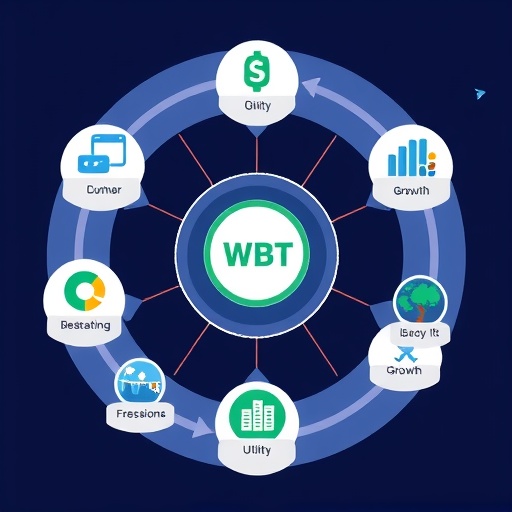
What is WhiteBIT Token (WBT)? A 3-Minute Guide to Its Core Concepts
WhiteBIT Token (WBT) goes far beyond just being another ticker symbol in the cryptocurrency space—it’s the beating heart of WhiteBIT, one of Europe’s premier crypto exchanges, and the native fuel powering its proprietary Layer 1 blockchain known as Whitechain. Originally launched as a platform token, WBT was designed to deliver exclusive perks to WhiteBIT users, such as slashed trading fees and free withdrawals. But as the WhiteBIT ecosystem has matured, WBT has evolved dramatically into a multifaceted ecosystem asset backed by its own independent blockchain infrastructure.
Picture this: it’s like if a major bank issued its own currency that not only offered discounts for in-house services but also ran the bank’s ultra-fast payment network. That’s WBT in a nutshell—it merges the practical perks of an exchange utility token with the technical prowess of a native blockchain token. What sets WhiteBIT apart, especially in the European landscape, is its unwavering focus on regulatory compliance and top-tier security. The exchange is currently gearing up for MiCA (Markets in Crypto-Assets) licensing, which lays a rock-solid compliant foundation for WhiteBIT Token (WBT). Peering through this lens reveals how WBT carves out its niche in Europe’s crypto map, steadily broadening its reach and influence.
At its essence, WBT transcends the role of a mere “discount voucher.” It acts as a vital medium for value transfer and governance within the WhiteBIT ecosystem. By holding WBT, users don’t just score economic benefits on trading activities; they also contribute indirectly to the growth of Whitechain. This shift from basic platform incentives to a full-fledged L1 ecosystem asset marks WBT’s standout differentiation. It signals WhiteBIT’s vision to transform from a straightforward crypto exchange into a comprehensive Web3 service provider complete with its own blockchain infrastructure, opening doors to innovative applications and sustained value creation.
How Does WBT Work? What Makes It Different from Bitcoin or Ethereum?
The inner workings of WBT revolve around its home blockchain, Whitechain, which employs a consensus mechanism and architecture worlds apart from Bitcoin or Ethereum. Initially, WBT existed as an ERC-20 token on Ethereum and TRC-20 on Tron, but with Whitechain’s mainnet launch, it fully transitioned to become the chain’s native token—the essential gas for all ecosystem activities.
Whitechain and Proof of Authority (PoA) Consensus
The standout feature of Whitechain is its use of Proof of Authority (PoA) consensus algorithm, a sharp departure from Bitcoin’s Proof of Work (PoW) and Ethereum’s post-upgrade Proof of Stake (PoS). To make this relatable using traditional finance analogies translated into crypto terms:
- Bitcoin (PoW): Think of it as a massive corporation where every transaction demands exhaustive computation from all employees (miners), delivering unmatched decentralization and security at the cost of sluggish speeds and massive energy use—why it processes only about 7 TPS.
- Ethereum (PoS): More like a shareholder-driven firm where those staking hefty ETH amounts vote on validators, boosting efficiency and slashing energy needs while maintaining reasonable decentralization—handling around 15-30 TPS but still scaling challenges persist.
- Whitechain (PoA): Envision a streamlined company run by a select board of vetted, reputable directors (authority nodes) who validate transactions swiftly. Operated by WhiteBIT or trusted partners, PoA trades some decentralization for blazing-fast transactions per second (TPS) and rock-bottom fees. This high TPS crushes Bitcoin and Ethereum, making it perfect for the high-volume, frequent trades in an exchange-centric ecosystem, where speed and cost directly impact user satisfaction.
EVM Compatibility and Ecosystem Growth
Whitechain’s Ethereum Virtual Machine (EVM) compatibility is a game-changer, allowing Ethereum-based smart contracts and DApps to port over with minimal tweaks. This lowers barriers for developers, spurring rapid ecosystem expansion—imagine deploying a DeFi protocol or NFT marketplace without rewriting code from scratch. For everyday users, it means seamless integration with tools like MetaMask, familiar wallet interactions that enhance accessibility and adoption rates.
In summary, WBT and Whitechain leverage PoA for superior efficiency and affordability, forming the backbone for WhiteBIT’s high-frequency trading and services. While PoA raises centralization eyebrows, in an exchange-focused setup, this trade-off delivers clear wins in performance and user experience, prioritizing practicality over absolute decentralization.

What Are WBT’s Tokenomics? Supply, Allocation, and Inflation Mechanics Explained
Grasping WhiteBIT Token (WBT)’s tokenomics is essential for gauging its enduring value and upside potential. Crafted with a deflationary ethos, WBT ensures its worth appreciates alongside WhiteBIT’s ecosystem growth—contrasting sharply with endless-supply or hyper-inflationary cryptos that dilute holder value over time.
Total Supply Cap and Initial Distribution
WBT enforces a hard-capped maximum supply of 400,000,000 tokens, a fixed ceiling that prevents any future minting and inherently curbs inflation risks from over-issuance. In the initial breakdown, roughly 200,000,000 WBT went to the treasury pool, unlocked gradually over three years. This vesting schedule funds ecosystem builds, marketing drives, and team incentives without flooding the market—releasing tokens in measured drips to minimize price dumps while fueling sustainable progress.
Powerful Deflationary Model: Weekly Burns
The crown jewel of WBT’s deflation is its weekly token burn program. WhiteBIT commits to using a slice of trading fee revenues to buy back WBT from the open market and incinerate it forever, akin to a public company repurchasing and retiring shares to boost earnings per share. The ambition? Shrink total supply by over 50%, leaving far fewer than 400 million in circulation. As burns accumulate—especially with steady exchange volume—this contracting supply, paired with stable or rising demand, mechanically lifts token price through basic scarcity economics.
Beyond fee buybacks, Whitechain usage amplifies deflation: every transaction or smart contract execution burns WBT as gas fees, some of which get destroyed or locked. This multi-layered approach fosters a virtuous cycle—more activity means more burns, reinforcing token value and rewarding holders as the ecosystem thrives.
Overall, WBT’s tokenomics are masterfully engineered: a rigid supply cap, phased treasury unlocks, and relentless weekly burns weave a deflationary powerhouse. Savvy investors should track burn rates alongside WhiteBIT’s volume growth for the fullest picture.
What is the History and Evolution of WBT?
WhiteBIT Token (WBT)’s story is inextricably linked to its parent, WhiteBIT exchange, founded in Ukraine in 2018 and surging to become Europe’s top crypto trading venue thanks to ironclad compliance, diverse products, and intuitive design. WBT launched in August 2022 as the exchange’s utility token, kicking off its journey.
From Platform Token to Native Chain Asset
Priced at around $1.9 at debut, WBT mirrored typical exchange tokens with fee rebates and withdrawal perks. Yet it quickly proved its mettle, skyrocketing from launch to peaks near $65—a over 3,000% surge validating market faith in its trajectory. This wasn’t luck; robust fundamentals drove it.
A pivotal 2023 milestone: WhiteBIT unveiled Whitechain, its homegrown Layer 1 chain. Mainnet activation bridged WBT from ERC-20/TRC-20 dependencies to native status, unlocking vast new utilities like gas fees and governance. This upgrade liberated WBT from chain silos, amplifying its value capture across an independent infrastructure.
Strategic Partnerships and Global Push
WhiteBIT and WBT have notched marketing wins too. In 2025, WBT joined 5 S&P cryptocurrency indices, bridging crypto to TradFi with proof of liquidity and transparency. High-profile tie-ups, like with Italian giants Juventus and prior Spanish club FC Barcelona, catapulted brand visibility worldwide via sports sponsorships, drawing mainstream crowds.
Looking ahead, founder Volodymyr Nosov charts bold expansion: WhiteBIT US by late 2025, plus Saudi blockchain deals, unlocking fresh user floods and revenue. WBT’s arc—from humble platform coin to chain-native powerhouse eyeing global dominance—underpins its promising path.

What Are WBT’s Pros and Cons? A Full Risk Assessment Before Investing
Like any crypto play, WhiteBIT Token (WBT) packs opportunities alongside pitfalls. Dissecting its strengths and weaknesses equips investors for smarter calls. Framing it in TradFi terms: WBT resembles a high-growth tech firm with killer edges but exposed to market and operational hurdles.
Main Advantages of WBT
- Utility-Driven Platform Perks: WBT shines with holder rewards—up to 90% trading fee cuts save big for active traders. Daily free ERC-20/ETH withdrawals, zero-cost AML scans, and 50% referral kicks tie directly to WhiteBIT services, cementing WBT’s everyday indispensability and fostering loyalty.
- Robust Deflation Mechanics: Weekly burns from fee buybacks steadily prune supply. In a capped ecosystem, this rarity pump potential scales with adoption, offering holders a structural tailwind absent in inflationary peers.
- S&P Endorsement and Global Nod: Listing in 5 S&P crypto indices spotlights transparency and flow. Partnerships with Juventus and Barcelona supercharge brand reach, funneling diverse users and liquidity.
- Independent L1 Whitechain: As native to PoA-powered, EVM-ready Whitechain, WBT taps endless apps—DeFi, NFTs—diversifying beyond exchange reliance for broader value accrual.
Main Drawbacks and Risks of WBT
- Exchange Dependency: Whitechain independence aside, WBT’s vitality hinges on WhiteBIT’s health. Exchange hiccups or regulatory woes could ripple painfully to token value.
- PoA Centralization Concerns: PoA’s trusted-node model boosts speed but amps centralization versus PoW/PoS, risking censorship or failures— a red flag for decentralization purists.
- Looming Unlock Pressure: March 13, 2026’s 81.5 million WBT release looms large, potentially flooding supply short-term. Burns help, but watch for volatility.
- Fierce Competition: Veterans like BNB/OKB boast mature ecosystems; WBT must innovate Whitechain to compete.
Bottom line: WBT’s utility, deflation, and global bets dazzle, but weigh exchange ties, PoA risks, unlocks. DYOR for balanced entry.
How Can You Mine or Stake WBT for Passive Income? Step-by-Step Guide
WBT skips Bitcoin-style mining or Ethereum staking due to Whitechain’s PoA—no compute races or mega-stakes needed. Instead, passive gains flow from holding on WhiteBIT.
WBT’s “Hold-to-Earn” Model
Like stock dividends, WhiteBIT tiers rewards by WBT holdings, unlocking perks:
- Fee Discounts: Sole path to up to 90% cuts—pure savings compounding trades.
- Free Withdrawals: Tiered daily ERC-20/ETH quotas slash costs for movers.
- Boosted Referrals: Up to 50% commissions reward evangelism.
- IEO/IDO Access: Priority slots in launches for alpha hunts.
- Airdrops/Rewards: Ecosystem growth may drop extras to holders.
WBT Soul and Deeper Engagement
Whitechain’s WBT Soul—a non-transferable NFT—tracks identity/reputation. No direct yields, but gates governance, airdrops, privileges, spurring commitment.
TL;DR: Hold WBT on WhiteBIT, dive into ecosystem for yields—not mining/staking classics.
What Does the Future Hold for WBT? Upcoming Upgrades and Challenges
WBT’s horizon ties to WhiteBIT/Whitechain strategies—global thrusts, tech leaps amid rivals.
Global Expansion and Compliance
Core: WhiteBIT US late 2025, navigating US regs for volume boom. MiCA prep locks Europe lead. Saudi infra pacts eye CBDC/tokenization, expanding WBT utility.
Whitechain Upgrades and Ecosystem Build
PoA may hybridize for decentralization. EVM draws DApps—DeFi/GameFi—fueling WBT demand as gas/gov token.
Challenges Ahead
2026 unlock, regs, comp, PoA critiques loom. Balance via de-decentralizing.
Optimistic: Expansions/compliance/eco fuel growth—monitor risks.
Frequently Asked Questions (FAQ)
Can holding WBT really give you free withdrawals?
Yes, users holding WhiteBIT Token (WBT) on the WhiteBIT platform receive varying daily free withdrawal quotas or counts for ERC-20 and ETH based on their holding tier. This practical benefit significantly cuts transaction costs for users.
What sets WBT apart from BNB?
Both WBT and BNB are exchange utility tokens, but key differences exist. BNB powers Binance’s vast ecosystem, including Binance Smart Chain (BSC) with a mature DeFi scene. WBT, native to Europe’s WhiteBIT, runs on PoA-based Whitechain, prioritizing EU compliance, Middle East/US infrastructure, and aggressive deflation. They differ in scale, maturity, and tech paths.
Will the March 2026 token unlock crash WBT’s price?
On March 13, 2026, about 81.5 million WBT will unlock, potentially pressuring price via added supply short-term. Collapse depends on market mood, new staking locks by WhiteBIT, or ramped burns. Track announcements—treat as risk, not destiny.
What exactly is WBT Soul?
WBT Soul is a Soulbound Token (SBT) on Whitechain—an non-transferable NFT encoding user identity, reputation, and achievements. Unlike tradable WBT, it serves as on-chain ID for governance, exclusive airdrops, or ecosystem perks, but can’t be sold or sent.
