
30-Second Quick Read: Key Takeaways
- Core Definition: Shiba Inu is a decentralized meme coin built on the Ethereum blockchain, created by the anonymous developer Ryoshi. Its primary goal is to experiment with a model of fully community-driven decentralized governance, where decisions emerge organically from the collective actions of holders rather than top-down control.
- Biggest Strengths and Uses: By launching Shibarium, its custom Layer 2 network, it tackles Ethereum’s notoriously high transaction fees head-on. This enables a thriving ecosystem that includes a decentralized exchange (ShibaSwap), NFT collections like Shiboshis, and even metaverse experiences, turning SHIB into a multifaceted Web3 platform.
- Investment Risks and Current Status: While it has evolved far beyond a simple meme coin into one with tangible utilities, its price remains highly sensitive to community sentiment and the movements of large holders (whales). This leads to extreme volatility, making it a high-risk asset even as its fundamentals strengthen.
What is Shiba Inu (SHIB)? A Quick 3-Minute Guide to Its Core Concepts
Shiba Inu (SHIB) stands out not just as another cryptocurrency but as a bold social experiment and a vibrant cultural movement in the crypto space. It burst onto the scene positioning itself as the “Dogecoin Killer,” captivating a massive global audience almost overnight. Unlike Bitcoin, which focuses on being a store of value through technological robustness, or Ethereum, which powers a vast array of financial and decentralized applications, SHIB’s foundational philosophy revolves around “fully community-driven decentralized governance.” This means that every major direction, update, and decision stems from the grassroots efforts of its dedicated community, known as the ShibArmy, rather than any central authority or founding team dictating terms.
As an ERC-20 token on the Ethereum blockchain, Shiba Inu masterfully blends the irresistible charm of the Japanese Shiba Inu dog meme with the disruptive innovation of blockchain technology. What started as pure meme-driven hype has matured significantly over time. The project has rolled out a comprehensive suite of ecosystem tools, including the ShibaSwap decentralized exchange for seamless token trading, Shiboshis NFT collections that add collectible value, and the game-changing Shibarium Layer 2 solution for scalability. These developments are propelling SHIB toward becoming a legitimate Web3 brand with real-world utility. Peering deeper into this ecosystem reveals how a seemingly whimsical idea has transformed into an ambitious, community-powered decentralized powerhouse, constantly evolving through collective input and creativity.
The true essence of its decentralization shines through in its governance model and token distribution strategy. Founder Ryoshi, who remains anonymous to this day, never retained a single SHIB token for themselves. Instead, they locked 50% of the initial supply into a Uniswap liquidity pool to bootstrap trading and handed the other 50% directly to Ethereum co-founder Vitalik Buterin. This radical approach eliminates founder control, ensuring that the project’s trajectory is shaped purely by the community’s actions and votes. In a market crowded with centralized projects, SHIB carves a unique niche as a cultural phenomenon fueled by meme magic, unwavering community loyalty, and experimental governance principles.
How Does Shiba Inu Work? What Makes It Different from Bitcoin and Ethereum?
At its core, Shiba Inu’s operational mechanics diverge sharply from those of Bitcoin and Ethereum, reflecting its unique position in the crypto landscape. To put it in relatable terms using traditional finance analogies translated to crypto: Bitcoin operates like digital gold—a standalone, decentralized network designed primarily for secure value storage and transfer without intermediaries. Ethereum functions as a programmable global computer, enabling developers to build and deploy smart contracts and decentralized applications (DApps) atop its infrastructure. In contrast, SHIB is essentially an “application token” running on Ethereum’s platform, leveraging its security while extending functionality through custom layers and tools.
ERC-20 Standards and Smart Contracts Explained
SHIB adheres strictly to the ERC-20 token standard on Ethereum, which is a set of predefined rules encoded in smart contracts. These contracts dictate how tokens can be transferred, approved for spending, and tracked across the network. This standardization ensures seamless interoperability with other Ethereum-based projects, full transparency via the public blockchain ledger, and robust security backed by Ethereum’s battle-tested consensus. Unlike Dogecoin, which runs on its own independent blockchain forked from Litecoin and relies on energy-intensive Proof-of-Work (PoW) mining, SHIB skips the need for dedicated mining rigs. Instead, it piggybacks on Ethereum’s Proof-of-Stake (PoS) mechanism post its Merge upgrade, inheriting top-tier security without the environmental footprint. However, this convenience comes with Ethereum’s gas fees—small payments in ETH required to process transactions and execute smart contracts—which can spike during network congestion.
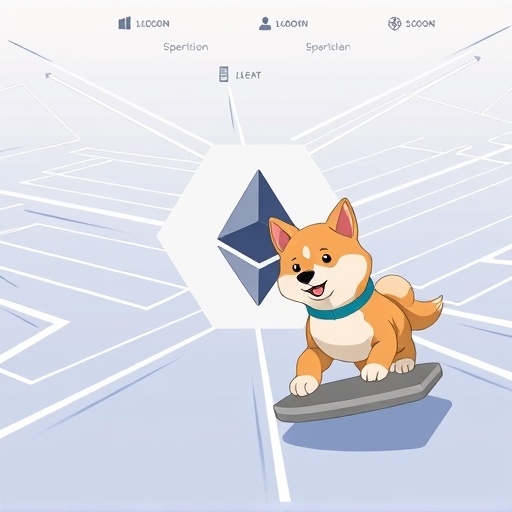
Shibarium: The Game-Changing Layer 2 Solution
Ethereum’s scalability challenges—sky-high gas fees and sluggish transaction speeds during peak times—have long plagued its ecosystem, often pricing out smaller users and limiting mass adoption. To counter this, the Shiba Inu team engineered Shibarium, a bespoke Layer 2 rollup network that sits atop Ethereum. By bundling multiple transactions off-chain and settling them in batches on the mainnet, Shibarium dramatically slashes costs (often to fractions of a cent) and boosts throughput to thousands of transactions per second. Imagine Ethereum as a congested urban highway; Shibarium carves out dedicated express lanes exclusively for SHIB ecosystem activities, keeping everything moving swiftly and affordably.
With Shibarium live, activities like swapping tokens on ShibaSwap, minting Shiboshis NFTs, or interacting in the metaverse become far more accessible. Users pay minimal “bone” fees in BONE tokens instead of exorbitant ETH gas, which enhances everyday usability and encourages broader participation. This upgrade isn’t just a band-aid; it’s foundational for SHIB’s pivot from meme novelty to a practical DeFi and Web3 hub, freeing it from Ethereum’s bottlenecks and unlocking scalable, real-world applications that could drive sustained growth.
What Are Shiba Inu’s Tokenomics? A Deep Dive into Supply, Distribution, and Deflation Mechanics
Shiba Inu’s token economics are ingeniously crafted to foster long-term engagement and scarcity, playing a pivotal role in its market dynamics and community incentives. Grasping the nuances of its massive supply, unconventional distribution, and ongoing burn mechanisms is essential for any serious valuation or investment thesis, as they directly influence price potential and utility.
Initial Supply and Distribution Breakdown
The total initial supply of SHIB was set at an eye-watering 1 quadrillion (1,000 trillion) tokens—a figure chosen to symbolize abundance and accessibility while enabling micro-transactions. This enormous starting point sparked debates about feasibility, but the distribution strategy was pure genius in promoting fairness:
- 50% Locked in Uniswap: Half the supply was paired with equivalent ETH and permanently locked into Uniswap’s liquidity pool. This provided instant tradability, prevented early dumps by the team, and handed control squarely to the community from day one.
- 50% Gifted to Vitalik Buterin: The remaining half went straight to Ethereum co-founder Vitalik Buterin as a trust-building gesture. In a move that shocked the crypto world, Vitalik burned approximately 40% (around 410 trillion SHIB) by sending it to an irretrievable address and donated the rest (about 10%) to India’s COVID-19 relief efforts in 2021. This instant supply shock reduced circulating tokens dramatically, boosted credibility, and generated massive publicity.
Circulating Supply and Burn Mechanisms in Action
Post-burn, the effective circulating supply hovers around 589 trillion SHIB. Crucially, there’s no minting of new tokens—supply is capped forever. Instead, a sophisticated burn mechanism works tirelessly to deflate it over time, creating deflationary pressure that could reward patient holders.
Burns occur through multiple channels:
- Shibarium Transaction Fees: Every transaction on Shibarium converts a portion of fees into SHIB, which is then burned. Higher network activity means more burns, aligning usage with value accrual in a virtuous cycle.
- Community Initiatives and Portals: Dedicated burn portals let holders voluntarily torch tokens, while ecosystem revenues from projects like ShibaSwap funnel proceeds into burns. Games, partnerships, and events further accelerate this process.
The Triple-Token Model: SHIB, LEASH, and BONE
SHIB’s ecosystem employs a sophisticated three-token framework for layered utility and incentives:
- SHIB: The flagship token for transactions, tipping, payments, and meme culture embodiment—versatile and ubiquitous.
- LEASH: Ultra-scarce at just 107,646 tokens, it powers liquidity mining rewards and exclusive Shibarium perks, emphasizing prestige.
- BONE: Governance token for ShibaSwap (250 million total supply), enabling voting on proposals. It also covers Shibarium gas fees, tying decisions to network economics.
This multi-token synergy diversifies use cases, incentivizes participation across DeFi primitives, and solidifies SHIB’s evolution into a full-fledged ecosystem rather than a one-trick meme pony.
What Is the History and Evolution of Shiba Inu?
Shiba Inu’s journey kicks off with an air of mystery and has skyrocketed into one of crypto’s most influential community-driven forces, marked by dramatic twists, viral moments, and steady milestones that showcase the power of collective momentum.
Anonymous Launch and Early Days (August 2020)
In August 2020, enigmatic founder Ryoshi quietly deployed Shiba Inu on Ethereum, aiming to dethrone Dogecoin while testing a radical vision of leaderless, community-governed crypto. Ryoshi’s manifesto—”an experiment in decentralized community”—laid the groundwork, emphasizing organic growth over hype. Early adopters, drawn by the meme appeal, bootstrapped liquidity and buzz on social platforms.
Vitalik Buterin’s Involvement and Explosive Price Surge (May 2021)
May 2021 marked a pivotal inflection point when Ryoshi’s gift of 50% supply to Vitalik Buterin thrust SHIB into the spotlight. Vitalik, now crypto’s largest individual holder, responded decisively: he incinerated 40% (~410 trillion SHIB) and donated billions more to India’s COVID relief. This slashed supply overnight, erased rug-pull fears, and ignited FOMO, propelling SHIB’s price to stratospheric heights and cementing its market relevance.
ShibaSwap Launch and Ecosystem Expansion (July 2021)
As the ShibArmy swelled, ShibaSwap DEX launched in July 2021, introducing “Dig” for liquidity provision and “Bury” for staking. Users could swap, earn BONE/LEASH rewards, and contribute to governance—shifting SHIB from speculative meme to functional DeFi playground with real yield opportunities.
Shibarium Goes Live (August 2026)
The ecosystem hit another peak in August 2026 with Shibarium’s mainnet debut. This Layer 2 powerhouse addresses Ethereum’s pain points, enabling cheap, fast transactions for DeFi, NFTs, and beyond. It’s a cornerstone for scalability, proving SHIB’s maturity and capacity for complex, high-volume apps while burning fees to deflate supply.
From obscure origins to a polished Web3 suite, Shiba Inu’s saga underscores how community passion can propel a meme into a sustainable force, perpetually rallying the ShibArmy worldwide.
What Are the Pros and Cons of Shiba Inu? Essential Risk Analysis Before Investing
Shiba Inu occupies a distinctive spot in crypto, blending meme allure with emerging utilities—yet its highs come with equally pronounced lows. Prospective investors must weigh these comprehensively to navigate its rollercoaster potential.
Key Advantages of Shiba Inu
SHIB’s rise is backed by compelling strengths that set it apart:
-
Unrivaled Community Power (ShibArmy)
The ShibArmy is a global powerhouse—passionate holders who don’t just buy and hold but evangelize, develop, vote, and host events. Their viral marketing on Twitter, Reddit, and Discord generates relentless hype and adoption, a moat no VC-backed project can easily replicate.
-
Expanding Ecosystem Depth
Beyond memes, SHIB boasts ShibaSwap DEX, Shiboshis NFTs, Shibarium L2, and SHIB: The Metaverse. These interconnect, offering trading, collecting, gaming, and virtual worlds—diversifying utility and fostering network effects for enduring relevance.
-
Low Barrier to Entry and Moonshot Upside
With token prices in the micro-fractions, even tiny investments buy billions of SHIB, fueling lottery-like dreams. This democratizes access for retail traders, amplifying pumps during bull runs via sheer volume.
-
Burn-Driven Scarcity Momentum
Ongoing burns via Shibarium fees and initiatives progressively shrink supply. As adoption grows, this deflation could compound value, rewarding HODLers in a supply-demand virtuous loop.
Major Drawbacks and Risks
Balancing the upsides are substantial hurdles:
-
Extreme Price Volatility
Meme roots make SHIB hypersensitive to tweets, endorsements (e.g., Elon Musk), and sentiment swings—far wilder than BTC. Rapid 10x gains can reverse into 90% crashes, testing even iron stomachs.
-
Whale Concentration Vulnerabilities
Despite burns, top wallets control chunks of supply. Whale dumps can crater prices, introducing manipulation risks absent in more distributed assets.
-
Meme Stigma and Regulatory Clouds
The “meme coin” label lingers, inviting scrutiny from regulators wary of speculation. Without ironclad revenue streams, long-term viability hinges on utility delivery amid evolving rules.
-
Fierce Competition and Tech Hurdles
L2 rivals like Optimism and metaverses like Decentraland abound. Shibarium must prove reliability, security, and developer traction to compete with battle-hardened incumbents.
In summary, SHIB offers high-reward thrills via community and innovation but demands high risk tolerance. DYOR, assess your portfolio fit, and treat it as speculative—not stable—given crypto’s whims.
How Can You Stake or Earn Passive Income with SHIB? Step-by-Step Guide
Unlike PoW coins like Bitcoin requiring ASIC miners, SHIB—as an Ethereum ERC-20—eschews mining entirely, relying on Ethereum’s PoS for security. Yet, its ecosystem brims with passive income avenues via staking and liquidity provision, turning holdings into yield-generating assets.
Why SHIB Can’t Be Mined
SHIB’s fixed supply precludes mining; new tokens aren’t forged via computation. Gains come from burns reducing supply, not issuance. Beware “SHIB mining” scams—they’re phishing traps preying on newcomers.
Staking SHIB (Bury) for Rewards
ShibaSwap, the ecosystem’s DeFi nexus, lets you “Bury” SHIB for yields:
-
Bury Process Step-by-Step:
- Connect Wallet: Head to ShibaSwap.com, link MetaMask or similar Ethereum-compatible wallet.
- Select Bury: Navigate to the Bury tab on the dashboard.
- Stake Amount: Input SHIB quantity, approve, and confirm—paying ETH gas.
- Earn xSHIB: Receive xSHIB receipts tracking principal + rewards, primarily in BONE for governance perks.
Bury locks assets for yields while enabling governance, but exposes you to impermanent price risks during lockups.
Providing Liquidity (Dig) for Higher Yields
“Dig” on ShibaSwap amps rewards by fueling pools:
-
Dig Process:
- Access Dig: Choose from the interface.
- Pick Pair: E.g., SHIB-ETH or BONE-ETH.
- Deposit Equal Value: Add both tokens to the pool.
- Get LP Tokens: Representing your share.
- Stake LPs: Bury them for BONE rewards.
Higher APYs shine here, but watch impermanent loss from price divergences. Shibarium will soon slash gas costs, supercharging accessibility.
What Does the Future Hold for Shiba Inu? Upcoming Upgrades and Challenges
SHIB’s trajectory pivots on ecosystem maturation, tech leaps, and ShibArmy vitality—determining if it sheds meme skin for enduring Web3 stature.
Shibarium’s Path to Mass Adoption
Shibarium anchors the future, promising:
- Fee Revolution: Pennies per tx vs. Ethereum dollars, onboarding masses.
- Speed Surge: Sub-second finals for seamless UX.
- Dev Magnet: Low-cost DApp building to spawn innovation hubs.
Success here catapults SHIB to utility leader.
SHIB: The Metaverse Vision
This immersive world lets users buy land, build, and socialize—monetizing tokens in virtual economies, deepening engagement.
Shiba Hub and Seamless Integration
A unified app blending all tools for frictionless Web3 access, amplifying synergies.
looming Challenges
Hurdles persist:
- Competition Onslaught: Outpace L2s and metaverses via tech/community edge.
- Sentiment/Whale Swings: Mitigate volatility for stability.
- Regulatory Flux: Navigate DeFi scrutiny proactively.
- Value Sustainability: Prove economics beyond hype.
Balancing these unlocks SHIB’s grand potential.
Frequently Asked Questions (FAQ)
Can SHIB ever reach $1?
Given its current supply and market cap realities, SHIB hitting $1 is extraordinarily unlikely. At around 589 trillion circulating tokens, a $1 price would imply a $589 trillion market cap—dwarfing most nations’ GDPs and exceeding global asset totals. Massive, unprecedented burns reducing supply by orders of magnitude would be required, but even then, economic logic renders it improbable. Stay grounded and avoid hype-driven expectations.
What sets SHIB apart from Dogecoin (DOGE)?
Though both meme coins, SHIB and Dogecoin differ fundamentally:
- Tech Base: DOGE has its own PoW blockchain (Litecoin fork); SHIB is Ethereum ERC-20 leveraging PoS security.
- Utility: DOGE emphasizes cheap payments; SHIB builds DeFi (ShibaSwap), NFTs (Shiboshis), L2 (Shibarium).
- Supply Dynamics: DOGE inflates endlessly via mining; SHIB fixed, deflationary via burns.
What is Shibarium and how does it benefit SHIB?
Shibarium is Shiba Inu’s Ethereum Layer 2 rollup for scaling. Benefits include:
- Lower Fees: Drastically cuts gas for ShibaSwap etc., beating mainnet costs.
- Faster Speeds: Quicker confirmations for better UX.
- Ecosystem Growth: Enables efficient DeFi/NFT/metaverse scaling, fueling utility shift.
- Burn Boost: Fees fund SHIB burns, trimming supply.
How to safely buy and store SHIB?
Follow these for security:
- Buy: Use reputable exchanges like Binance, Coinbase, Kraken, KuCoin—complete KYC first for liquidity/safety.
- Store:
- Hot Wallets: MetaMask, Trust, Coinbase Wallet for daily use—guard seeds/keys fiercely.
- Cold Wallets: Ledger/Trezor for big holdings—offline keys maximize protection.
Always enable 2FA, dodge phishing.
