
30秒速讀重點 (Key Takeaways)
- Unique Digital Ownership: NFTs stand out as one-of-a-kind digital assets securely logged on a blockchain, symbolizing true ownership of particular items. This setup contrasts sharply with cryptocurrencies, which are fully interchangeable since every unit holds the exact same value and properties, allowing seamless swaps without any loss in worth.
- Beyond Art: Although NFTs first gained fame through digital artwork, their role is expanding rapidly into areas like digital identity verification, proof of asset ownership, immersive gaming experiences, and even the tokenization of physical real estate. These developments are fundamentally reshaping how we perceive and manage ownership in our increasingly digital landscape, blending virtual and real-world value seamlessly.
- Navigating Risks: Engaging with the NFT market demands caution due to its inherent volatility, where prices can swing wildly; the prevalence of scams that prey on enthusiastic newcomers; ongoing debates about environmental sustainability from blockchain operations; and tricky issues around intellectual property rights. Thorough research and a skeptical mindset are essential to sidestep these pitfalls effectively.
What Exactly is an NFT? A Straightforward Breakdown
At its core, a Non-Fungible Token, or NFT, functions as a one-of-a-kind digital item that certifies ownership over a particular piece of content or asset. Imagine trying to swap one dollar bill for another—they’re identical, so it works perfectly fine. But with an NFT, no two are alike; each carries its own unique traits, etched permanently onto a blockchain as an irreplaceable digital marker. This makes it akin to a high-tech deed or authenticity certificate tailored for the digital realm, ensuring that what you own is genuinely yours and can’t be duplicated or faked.
The term “non-fungible” captures this essence perfectly, highlighting why NFTs revolutionize digital possession. When you acquire one, you’re not just getting a file—you’re securing a cryptographic token that’s publicly verifiable on a blockchain’s transparent ledger. This could encompass everything from stunning digital paintings and original music tracks to plots of virtual land or even a famous social media post turned into a collectible. Because the blockchain records every detail immutably, ownership becomes provable to anyone, anywhere, fostering trust in an otherwise copy-prone online world.
How Do NFTs Actually Work? Unpacking the Tech Behind Them
NFTs rely on the robust foundation of blockchain technology, with Ethereum serving as the dominant platform that handles their creation, trading, and verification. This decentralized system ensures no single authority controls the process, making it tamper-proof and accessible globally. At the heart of it all are smart contracts—think of them as digital vending machines that automatically enforce rules without needing a middleman. Once coded, they execute precisely as programmed, whether that’s minting a new NFT or transferring ownership.
The majority of NFTs follow the ERC-721 standard on Ethereum, a set of rules that guarantees each token’s individuality and smooth interoperability across platforms. Minting an NFT kicks off when someone uploads a digital file and its accompanying details to the blockchain; this “registers” it forever as a unique entity. Metadata plays a crucial role here—it’s like the NFT’s ID card, detailing the creator’s name, a secure link to the actual file (often stored off-chain on services like IPFS for efficiency), traits, and history. Every step, from initial creation to sales and resales, gets timestamped on the blockchain, protected by advanced cryptography that makes alterations virtually impossible. Consequently, buyers gain confidence knowing the asset’s provenance is crystal clear and unchangeable.
What Sets NFTs Apart from Cryptocurrencies? Spotting the Key Differences
Both NFTs and popular cryptocurrencies such as Bitcoin or Ethereum leverage blockchain’s security and transparency, yet they serve entirely different roles in the digital economy. The pivotal difference boils down to fungibility, which dictates how these assets can be exchanged or valued. Cryptocurrencies act like standard currency notes, while NFTs resemble rare collectibles like original artworks or baseball cards—irreplaceable in their specificity.
Fungible assets, like cryptocurrencies, treat every unit as equivalent; one Bitcoin matches another exactly, ideal for payments or savings. Non-fungible ones, however, shine through their uniqueness, preventing direct swaps without altering value. This table breaks down the distinctions even further for clarity:
| Feature | NFT (Non-Fungible Token) | Cryptocurrency (e.g., Bitcoin, Ether) |
|---|---|---|
| Fungibility | Non-fungible (unique, not interchangeable) | Fungible (interchangeable, identical units) |
| Purpose | Prove ownership of unique digital assets (art, collectibles, identity) | Medium of exchange, store of value, unit of account |
| Units | Each token is distinct and has unique metadata | Units are identical and indistinguishable from each other |
| Value Derivation | Scarcity, utility, community, historical significance | Supply and demand, network effect, adoption, utility as currency |
Grasping these contrasts equips you to explore the broader blockchain ecosystem wisely. NFTs emphasize exclusive, trackable control over singular digital treasures, whereas cryptocurrencies pave the way for a borderless, decentralized monetary system.
Why Do NFTs Hold Real Value? Diving into Scarcity, Utility, and More
NFTs derive their worth from a potent mix of enforced digital scarcity, ironclad proof of ownership, and growing practical uses within interconnected digital communities. In an era where copying files is effortless, the blockchain’s role in establishing “one true owner” mirrors physical property titles, creating genuine rarity online. Marketplaces like OpenSea amplify this by enabling vibrant secondary trading, where original creators can program in royalties—automatic cuts from every resale—ensuring ongoing revenue as their work appreciates.
However, utility elevates many NFTs beyond mere speculation. Holders often unlock perks like entry to private groups, live events, or special features, turning the token into a versatile key. Take the Bored Ape Yacht Club: owning one doesn’t just mean a cool image; it conveys IP rights for personal use, invites to elite gatherings, and immersion in a tight-knit community. This blend of status, interactivity, and future potential shifts NFTs from static pictures to living, evolving assets that build lasting value through social and functional layers.
What Are the Real-World Uses of NFTs? Exploring Applications Beyond Art
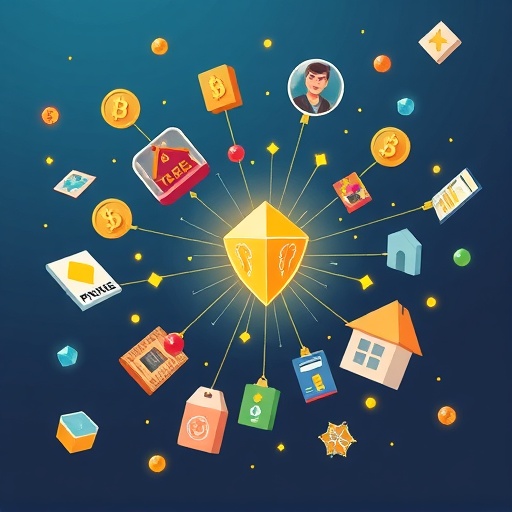
NFTs have outgrown their early reputation tied to pixelated images, branching into transformative applications that challenge conventional notions of property, identity, and value across sectors. By digitizing ownership proofs, they streamline verification and transactions in ways traditional systems can’t match, fostering innovation in accessibility and efficiency.
- Gaming Assets: Within play-to-earn and metaverse games on blockchains, NFTs embody player-owned items like rare characters, customizable weapons, or expansive virtual estates. Players can truly “own” these, trading them independently on open markets rather than being locked to a single game developer, which boosts player investment and creates thriving economies.
- Real Estate Tokenization: Complex properties get broken into NFT fractions, enabling small-scale investors to buy shares without full purchases. Transfers happen swiftly via blockchain, bypassing paperwork-heavy processes, while smart contracts automate dividends from rents—democratizing access to illiquid assets like homes or commercial buildings.
- Event Ticketing: As anti-forgery tickets, NFTs ensure one entry per token, with resale platforms automatically sharing proceeds with organizers through royalties. This combats scalping and black markets, providing transparent pricing and authenticity from purchase to use.
- Intellectual Property (IP) Rights: Artists and inventors mint NFTs to timestamp creations on-chain, establishing prior art and enabling licensed usage tracking. This empowers direct monetization, like automated splits for collaborations, safeguarding rights in a borderless creative space.
- Digital Identity & Certificates: From verifiable diplomas to secure IDs, NFTs offer fraud-resistant records. Employers or borders can instantly check credentials against the blockchain, reducing bureaucracy and enhancing privacy through selective disclosure features.
These examples illustrate NFTs’ versatility as bridges between physical and virtual worlds, converting age-old ownership models into efficient, blockchain-secured digital equivalents that promise broader adoption ahead.
What Risks Come with the NFT Market? Understanding the Challenges Ahead
The allure of NFTs is undeniable, but so are the hurdles that can trip up even seasoned investors—much like venturing into any emerging frontier. Awareness of these issues allows for smarter participation, balancing excitement with prudence in this fast-evolving space.
- Environmental Impact: Early NFT booms on energy-hungry proof-of-work chains like pre-Merge Ethereum drew criticism for massive electricity use in mining and transactions. Thankfully, Ethereum’s switch to proof-of-stake slashed consumption by over 99%, and eco-friendly alternatives like Polygon or Solana further minimize footprints, though scrutiny persists for high-volume activities.
- Scams and Rug Pulls: With minimal oversight, fraud thrives—creators hype projects, sell out NFTs, then vanish with funds in “rug pulls.” Stolen art gets re-minted without permission too. Spotting red flags like anonymous teams or unrealistic promises is key to protection.
- Market Volatility and Liquidity: Hype from influencers can inflate prices overnight, only for crashes to follow on fading buzz. Lesser-known NFTs often languish unsold, trapping capital; thus, liquidity varies wildly, demanding patience or diversified strategies.
- Intellectual Property and Legal Ambiguity: Laws lag behind tech—NFT buyers own the token, but copyrights usually stay with creators unless specified. This sparks disputes over usage rights, underscoring the need for clear contracts and jurisdiction awareness.
To thrive, conduct deep dives into projects, verify teams, differentiate token from IP ownership, and treat NFTs as high-risk ventures. The rewards exist, but only for those who navigate with eyes wide open.
Frequently Asked Questions (FAQ)
What is an NFT in simple terms?
An NFT is a unique digital asset stored on a blockchain, acting as a verifiable certificate of ownership for a specific digital or physical item. Think of it as a digital deed or title for something that cannot be replicated.
How do NFTs make money for creators?
Creators primarily earn money through initial sales of their NFTs. Additionally, many NFTs are programmed with smart contracts that grant creators a percentage of all future secondary market sales, known as royalties, providing a continuous income stream.
Are any NFTs worth anything in 2026?
Yes, while the NFT market has seen significant corrections, many NFTs still hold considerable value, especially those offering strong utility, robust communities, or historical significance. The market is shifting towards projects with clear use cases beyond just speculative art.
How much does it cost to mint 1 NFT?
The cost to mint an NFT can vary widely. On Ethereum, it includes “gas fees,” which fluctuate based on network congestion, potentially ranging from a few dollars to hundreds of USD. However, minting on Layer 2 solutions like Polygon or other blockchains like Solana can be significantly cheaper, often just a few cents.
Is buying an NFT the same as owning the copyright?
No, buying an NFT typically grants you ownership of the unique token itself, not necessarily the underlying copyright or intellectual property rights to the associated digital content. Unless explicitly stated in the NFT’s terms or smart contract, the original creator usually retains the IP rights. This is a crucial legal distinction to understand.
Are NFTs bad for the environment?
Historically, NFTs on proof-of-work blockchains like Ethereum consumed significant energy. However, with Ethereum’s transition to a proof-of-stake consensus mechanism (The Merge), its energy consumption has drastically reduced. Many newer blockchains and Layer 2 solutions used for NFTs are also inherently more energy-efficient, mitigating the environmental impact.
