
What Challenges Does Taiwan Face in Securing Its Water Resources?
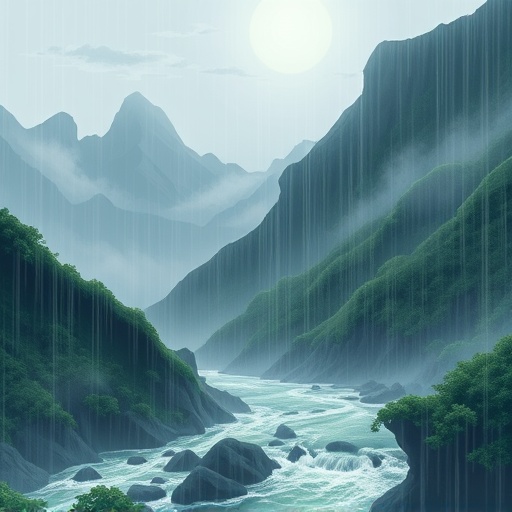
Taiwan receives nearly three times the global average in annual rainfall, yet it routinely struggles with water scarcity. Why does an island drenched in precipitation face such a persistent supply crisis? The answer lies in geography. Taiwan’s rugged mountain spine drops sharply toward the sea, creating short, steep river basins. When torrential downpours hit, most of that runoff rushes into the ocean within hours rather than soaking into aquifers or lingering in storage basins. Rapid industrial growth and a dense population only heighten the strain, leaving water authorities with very little margin for error between wet and dry seasons.
Climate shifts have intensified these structural hurdles. Rainfall has turned erratic. Instead of predictable seasonal cycles, regions swing between prolonged dry periods and destructive cloudbursts that overwhelm civil infrastructure. In 2025, meeting the simultaneous needs of residential communities, high-tech manufacturing, and traditional agriculture has become one of the island’s most pressing national security tests.
How Does Climate Change Impact Taiwan’s Water Availability?
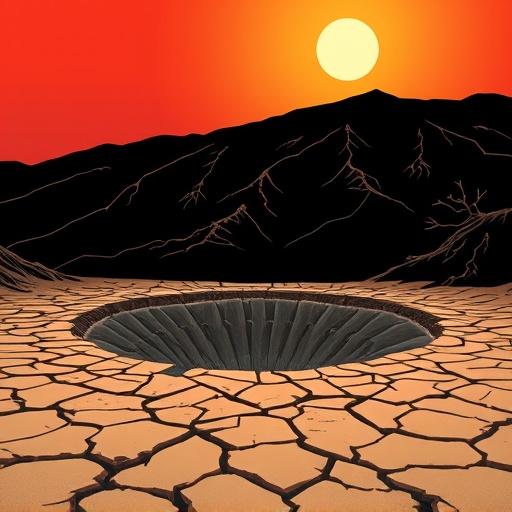
Rising temperatures disrupt the hydrological patterns that local planners relied on for decades. Historical meteorological models no longer predict seasonal yields with any reliable accuracy. Monsoon cycles arrive late or bypass the island altogether, leaving key reservoirs dry for months before sudden, intense rainstorms batter the landscape.
Typhoons illustrate this volatility clearly. Traditionally, these late-summer storms fill reservoirs to sustain communities through the winter months. When typhoons miss the island entirely, severe droughts inevitably follow. Yet when direct hits occur, extreme deluge triggers landslides across fragile hillsides. Silt and mud pour into catchment basins, clouding the water and cutting usable storage volume just when capacity matters most. Rain falls in massive quantities, but infrastructure often struggles to capture it.
What Role Do Reservoirs Play in Taiwan’s Water Supply System?
Dozens of reservoirs serve as the primary lifeline for Taiwan’s urban and rural networks. These engineered basins catch mountain runoff, buffering population centers against the long dry season that stretches from late autumn into spring. Without this storage backbone, cities like Taipei, Taichung, and Kaohsiung could not maintain stable domestic pressure, nor could key agricultural plains irrigate their crops.
Operating these dams requires constant intervention. Heavy runoff strips loose topsoil from steep mountain slopes, causing chronic silt buildup behind dam walls. Dredging operations must run year-round, requiring substantial public funding and engineering resources just to keep original basin volumes viable. Dam operators constantly weigh competing priorities: releasing water early to protect valleys from flash floods, or holding every available cubic meter to guard against upcoming dry spells.
Are There Sustainable Alternatives to Traditional Water Sources in Taiwan?
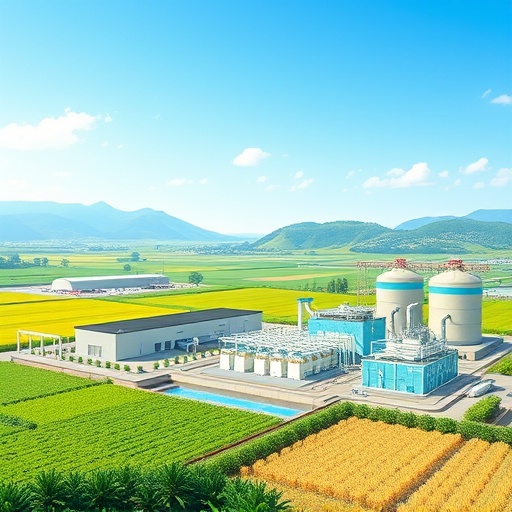
Because river diversions and mountain reservoirs have reached physical limits, planners are building alternative water networks to insulate the economy from weather extremes. Coastal desalination plants provide a reliable countermeasure against severe dry spells. While power demands remain high, modern filtration membranes and modular setups make seawater conversion a realistic hedge for coastal technology hubs and offshore islands.
Recycled wastewater offers another steady, non-potable alternative. Industrial facilities and municipal plants now treat secondary effluent to high-purity standards, supplying cooling towers, industrial scrubbers, and construction sites without drawing from municipal drinking lines. On a neighborhood level, commercial building codes increasingly favor greywater systems and localized rainwater harvesting, keeping clean tap water for household use while easing demand on central utilities.
How Can Taiwan Improve Water Conservation and Efficiency?
Supply diversification works best when coupled with aggressive conservation. Aging pipeline infrastructure remains a prime target for reform. Leak detection teams, aided by acoustic sensors and smart meters, work across municipalities to patch distribution lines that previously lost substantial volumes of treated drinking water underground before reaching consumer taps.
Consumer behavior and commercial regulations must reinforce these hardware updates. Rebate programs support households adopting low-flow fixtures and high-efficiency appliances. In the commercial sector, progressive water tariffs encourage factories to treat, recover, and recirculate their own process water repeatedly. Public education programs keep conservation visible year-round, treating water not as an infinite utility, but as a shared, finite asset that demands careful daily stewardship.
What are the primary sources of water in Taiwan?
Taiwan relies mainly on surface water drawn from rivers, natural streams, and catchment reservoirs. Groundwater serves as an essential supplement, particularly across rural farming plains and during extended dry periods when reservoir levels fall.
How does Taiwan manage water during droughts?
Authorities use a tiered response plan during dry spells, which includes:
- Enforcing phased water rationing and pressure reductions for commercial and residential sectors.
- Tapping monitored backup groundwater wells.
- Deploying emergency infrastructure, including mobile seawater desalination units and temporary pipelines.
- Launching targeted public conservation appeals to lower overall demand.
What are the long-term strategies for water security in Taiwan?
Long-term planning centers on building a climate-resilient water system through several key pillars:
- Expanding non-traditional sources, notably coastal desalination and industrial wastewater reclamation.
- Preserving reservoir capacity via continuous desilting and improved watershed management.
- Improving irrigation technology and upgrading urban supply pipes to curb leakage.
- Protecting mountain catchments to minimize soil erosion and river contamination.
- Deploying smart digital monitoring for real-time allocation across regional grids.
Is agricultural water use a significant factor in Taiwan’s water challenges?
Yes. Farming accounts for the largest share of total water withdrawals across the island. Transitioning to automated drip irrigation, modernizing open canals, and introducing drought-resilient crop varieties are central to maintaining food production while easing pressure on municipal reservoirs.
Taiwan’s pursuit of long-term water resilience requires balancing steep natural topography, shifting weather extremes, and heavy economic demand. Isolated fixes cannot solve these structural strains. By linking reservoir desilting, desalination capacity, aggressive pipe repair, and everyday conservation, Taiwan can construct a reliable supply framework that sustains both its communities and its industries well into 2026 and beyond.
