
30-Second Quick Read: Key Takeaways
- Self-Custody Stands at the Core: When picking a wallet, you’re essentially deciding how much control you truly have over your digital assets. The timeless mantra “Not your keys, not your coins” drives this home—without holding your private keys, you don’t own your crypto, much like leaving your valuables with a third party. This principle empowers you but demands vigilance, as it shifts all security responsibilities directly to you in the decentralized world.
- Balancing Security and Convenience: Hardware wallets, known as cold storage, deliver the highest level of protection by keeping keys offline, making them perfect for assets you’re planning to hold long-term without frequent access. On the flip side, software wallets, or hot storage, prioritize ease of use for everyday activities like trading or engaging with DeFi protocols, though they come with elevated risks due to their online connectivity.
- Tailored Choices Are Essential: There’s no universal “one-size-fits-all” wallet that suits everyone perfectly. Instead, the smartest approach involves evaluating your specific situation—such as the types of assets you hold, how often you interact with them, and your personal tolerance for potential risks—to land on the ideal solution that matches your lifestyle and goals.

Why Does Your Choice of Crypto Wallet Matter So Much in 2026?
In the fast-paced world of digital assets that’s only accelerating into 2026, your crypto wallet goes far beyond a simple place to stash your coins—it’s your direct line to true financial independence and sovereignty. At its heart lies the fundamental rule: “Not your keys, not your coins.” This means that if you don’t control the private keys—the unique cryptographic codes proving ownership of your assets—you’re essentially trusting someone else with your wealth, just like in traditional banking where banks hold the keys to your accounts. With private keys in your hands, you gain complete autonomy to send, receive, or manage your holdings without intermediaries, but this power comes with the heavy duty of protecting those keys yourself against a growing array of threats.
As blockchain technology advances, we’re seeing explosive growth in DeFi platforms for lending and borrowing, NFT marketplaces for unique digital collectibles, and Layer 2 scaling solutions that make transactions cheaper and faster on networks like Ethereum and Solana. Picking the wrong wallet in this environment could leave your assets vulnerable to sophisticated phishing schemes that trick you into revealing keys, exploits in wallet software from unpatched vulnerabilities, or even restrictions that block you from jumping into emerging Web3 opportunities like tokenized real-world assets. That’s why taking a thoughtful, informed approach to this choice isn’t optional—it’s essential for anyone serious about building and protecting their crypto portfolio in 2026.
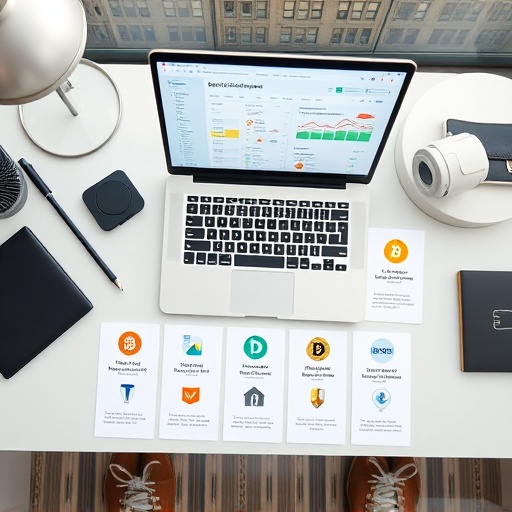
What Are the Best Crypto Wallets of 2026 at a Glance? (Comparison Table)
With dozens of crypto wallets flooding the market, it’s easy to feel overwhelmed when trying to find the right one. To cut through the noise and give you a fast starting point for evaluation, we’ve put together this comparison table spotlighting top performers. It breaks down critical aspects like wallet type, standout features, the breadth of supported assets, security measures, how beginner-friendly they are, and associated costs. Whether you’re chasing rock-bottom fees for everyday transfers, extensive support for obscure tokens, or ironclad security protocols, this snapshot helps you quickly spot wallets that align with your priorities before diving deeper.
| Wallet | Type | Key Features | Supported Assets | Security Highlights | Ease of Use | Fees |
|---|---|---|---|---|---|---|
| Ledger Nano X | Hardware (Cold) | Bluetooth connectivity, large storage | 5,500+ coins/tokens | Secure element chip, PIN, seed phrase | Moderate | Device cost |
| Trust Wallet | Mobile (Hot) | Multi-chain, dApp browser, staking | 1M+ assets on 60+ blockchains | Biometric, PIN, seed phrase | High | Network fees only |
| Exodus | Desktop/Mobile (Hot) | Intuitive UI, built-in exchange, NFT gallery | 300+ cryptocurrencies | Password, seed phrase, optional Trezor integration | Very High | Network fees + exchange spread |
| Phantom | Browser Ext./Mobile (Hot) | Solana ecosystem focus, NFT support, staking | Solana, Ethereum, Polygon, Bitcoin | Password, seed phrase, hardware wallet integration | High | Network fees only |
| MetaMask | Browser Ext./Mobile (Hot) | Ethereum & EVM-compatible chains, dApp connectivity | ERC-20, ERC-721 tokens | Password, seed phrase, hardware wallet integration | Moderate | Network fees only |
Which Are the Top 5 Best Crypto Wallets of 2026? A Deep Dive Review
While the table gives you a high-level snapshot, truly understanding what sets these wallets apart requires peeling back the layers to explore their unique advantages in real-world scenarios. Here, we break down the leading options with in-depth insights, helping you match them precisely to your personal crypto journey, whether that’s ironclad protection for HODLing or seamless tools for daily DeFi adventures.
Best for Security: Ledger Nano X
If locking down your digital assets with the strongest possible defenses is your top priority, the Ledger Nano X emerges as the standout hardware wallet in 2026. Operating as true cold storage, it generates and keeps your private keys completely offline inside a tamper-resistant secure element chip—a specialized hardware module certified to the highest industry standards like CC EAL5+. This setup ensures that even if your connected computer falls victim to malware or keyloggers, your keys remain untouched because they’re never exposed to the internet. Imagine it as fortifying your gold reserves in a bank-grade vault versus a basic home locker; the isolation drastically slashes risks from remote hacks or phishing that plague online setups. Beyond that, its Bluetooth pairing with the Ledger Live mobile app lets you manage over 5,500 coins and tokens effortlessly from your phone, striking a practical balance without sacrificing safety. That said, for users needing rapid, small transactions, it shines more for strategic, long-haul storage rather than high-volume activity.
Best for Beginners: Exodus Wallet
Stepping into crypto can feel intimidating with all the technical jargon, but Exodus Wallet smooths that path beautifully for first-timers in 2026. Its polished, visually appealing interface demystifies asset management by presenting your portfolio in easy-to-read charts and graphs, so you can track performance at a glance without needing a finance degree. What elevates it further is the seamless built-in exchange powered by partnerships like ShapeShift, enabling instant swaps between hundreds of cryptocurrencies right inside the app—no need to hop to external platforms and risk mistakes. Supporting over 300 assets across desktop and mobile, it also features a dedicated NFT gallery for viewing collectibles and optional linkage to Trezor hardware for that extra security boost when your stack grows. This thoughtful blend of accessibility, powerful tools, and upgrade paths makes Exodus not just a starter wallet, but a reliable companion as you evolve in the space.
Best for DeFi & NFTs: MetaMask / Phantom
Power users thriving in the vibrant DeFi and NFT arenas will find MetaMask and Phantom indispensable gateways in 2026. MetaMask reigns supreme for Ethereum and its EVM-compatible siblings like Polygon or Arbitrum, functioning as a versatile browser extension that bridges your browser directly to thousands of dApps—think Uniswap for trading, Aave for lending, or OpenSea for NFTs. It handles ERC-20 tokens for fungible assets and ERC-721 for unique ones effortlessly, with hardware integration for safer signing. Phantom mirrors this prowess but tailors it to Solana’s high-speed ecosystem, delivering buttery-smooth support for Solana dApps, native staking rewards, and NFT displays that outpace Ethereum rivals. Both prioritize connectivity, letting you farm yields, mint collectibles, or vote in DAOs without friction, positioning them as must-haves for anyone deeply embedded in Web3’s interactive layers.
Best Mobile App: Trust Wallet
For those who live on their smartphones, Trust Wallet—backed by Binance—delivers an unmatched mobile powerhouse in 2026. Spanning over 60 blockchains and 1 million+ assets including NFTs, it packs a full-featured dApp browser that brings DeFi, games, and more to your fingertips without app-switching hassles. Security-wise, it layers biometric unlocks like Face ID alongside PINs and seed phrases, while staking options let your holdings earn passively across chains. Whether sending Bitcoin, swapping on PancakeSwap, or browsing Solana NFTs, its clean design ensures quick, error-free operations on the move, cementing its spot as the go-to for mobile-centric lifestyles.
Hot Wallets vs. Cold Wallets: What’s the Real Security Trade-Off in 2026?
At the heart of wallet decisions boils down to one key divide: their internet connectivity, which creates a deliberate balance between protection and practicality. Hot wallets stay online—either as mobile apps like Trust Wallet or Exodus, or browser extensions such as MetaMask and Phantom—making them incredibly handy for quick sends, DeFi yields, or NFT flips since your keys are readily accessible on internet-enabled devices. However, this always-on status heightens exposure; encrypted keys could still fall to sophisticated malware that steals them post-decryption, phishing sites mimicking legit dApps, or device compromises during use.
Cold wallets flip the script entirely, prioritizing fortress-like security through complete offline operation. Devices like Ledger Nano X or Trezor house keys in isolated secure chips, signing transactions internally before broadcasting via a separate online companion app—keys never touch the web. This “air-gapped” method neutralizes online vectors almost entirely, much like stashing cash in a buried safe rather than a bedside drawer. The downside? A tad more steps for transactions, but for substantial holdings meant to weather market storms, this premium safeguard proves worth every extra second. Drawing from everyday finance, hot wallets mirror your checking account for daily spends, while cold ones echo safe-deposit boxes for generational wealth.
What Should You Look for in the Best Crypto Wallet of 2026? (Complete Buying Guide)
Nailing the perfect crypto wallet isn’t about chasing hype—it’s a strategic evaluation tailored to your risk profile and habits. Start with security depth: seek robust private key encryption using standards like AES-256, plus extras like 2FA for dual verification layers (e.g., app-generated codes alongside passwords) or multi-sig setups that demand approvals from multiple keys or devices, perfect for teams or high-stakes funds. Biometrics add frictionless yet strong mobile locks via fingerprints or face scans. Next, check asset coverage—ensure it handles your mix, from majors like BTC/ETH to niche tokens, with multi-chain bridges for cross-network ease in today’s splintered blockchains.
User interface matters hugely; a sleek, intuitive design minimizes fat-finger errors during transfers and eases portfolio oversight. Dig into the team’s track record too—prefer open-source code with frequent third-party audits revealing no major flaws, backed by vibrant communities on Discord or GitHub for quick fixes. Transparent updates signal ongoing commitment. Ultimately, proactive feature-matching beats reactive fixes, safeguarding your assets like a vigilant sentinel.
How Do You Set Up Your Crypto Wallet Safely and Effectively in 2026?
Getting your wallet right from the outset lays an unshakeable foundation for asset safety—especially the seed phrase generation step. This 12- or 24-word mnemonic acts as a human-readable backup of your private keys; input it into any compatible wallet to recover everything if your device fails. Lose it without a copy, and your funds vanish forever—no resets or support tickets exist in self-custody.
Handwrite it precisely on paper during setup, shunning digital photos, cloud saves, or emails that hackers could snag. For redundancy, create duplicates stored in disparate spots like fireproof safes, safety deposit boxes, or etched metal plates resistant to fire/flood. Follow with a complex, unique passphrase and activate 2FA wherever offered. Periodically test restores in safe environments to confirm viability. This rigorous ritual transforms potential pitfalls into bulletproof habits for your crypto path.
Crypto Wallets FAQ 2026: Answering Your Top Questions
Which crypto wallet is best for blockchain beginners?
For those just starting out in blockchain, Exodus or Coinbase Wallet top the list. Exodus shines with its super intuitive interface and handy built-in exchange, letting you handle various assets without hassle. Coinbase Wallet, distinct from the exchange, delivers a smooth mobile setup with strong dApp support, easing newcomers into self-custody smoothly.
What are the top 3 crypto wallets for maximum security?
Hardware wallets lead for peak security. The top trio includes Ledger (e.g., Nano X), Trezor (e.g., Model T), and BitBox02. They keep private keys offline in secure chips for air-gapped defense, suiting long-term storage of major holdings.
Is a hardware wallet better than a software wallet?
Yes, hardware wallets generally outperform software ones for security, particularly with large sums. Their cold storage keeps keys offline, dodging most cyber threats. Software hot wallets excel in convenience for trades and dApps but face higher online risks. Choose based on needs: hardware for holding, software for action.
What happens if I lose my crypto wallet recovery phrase?
Losing the seed phrase typically means irreversible fund loss. It’s your sole private key backup; no device or support can recover it. This stresses backing it up securely offline in multiples right away—no central help exists.
Are free crypto wallets safe to use?
Legit free wallets like MetaMask, Trust Wallet, and Exodus are safe with good practices—secure seeds, strong passwords. “Free” means no software cost, just network fees. Safety comes from open-source audits and solid teams; always grab from official sites.
