
30-Second Quick Read: Key Takeaways on VeChain
- Enterprise-Focused Blockchain: VeChain stands out as a Layer 1 blockchain tailored specifically for business use, leveraging Internet of Things (IoT) devices alongside distributed ledger technology to deliver unparalleled transparency and real-time tracking across global supply chains. This setup allows companies to monitor every step of their operations with immutable data, reducing fraud and inefficiencies that plague traditional systems.
- Real-World Adoption and Dual-Token Innovation: By pioneering a dual-token model, VeChain eliminates the volatility in transaction fees that hampers other networks, making it reliable for enterprise operations. It boasts proven implementations with industry giants like Walmart China, BMW, and DNV, where these partnerships demonstrate tangible results in areas such as product authentication and logistics optimization.
- Centralization Concerns Amid Fierce Competition: While VeChain benefits from robust enterprise backing and resources, its Proof of Authority (PoA) consensus draws criticism for leaning too centralized compared to fully decentralized alternatives. It competes head-on with Ethereum Layer 2 solutions and other enterprise chains like Hyperledger, requiring constant innovation to maintain its edge in a crowded market.
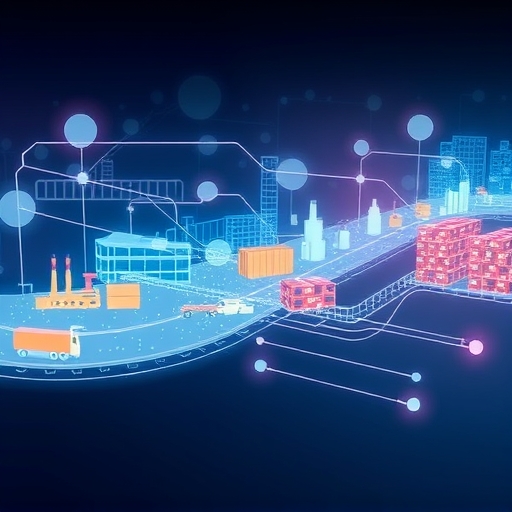
What Is VeChain (VET)? A Comprehensive Guide to Its Core Concepts in Just 3 Minutes
VeChain (VET), accessible via its dedicated resources, emerges as a powerhouse Layer 1 blockchain platform crafted explicitly for enterprise-grade applications. At its heart lies a bold mission: merging blockchain technology with Internet of Things (IoT) innovations and a groundbreaking dual-token system to tackle stubborn real-world challenges like supply chain oversight, product provenance verification, and data integrity. Picture this scenario—you’re eyeing a luxury handbag or a rare vintage wine, but nagging doubts about its authenticity linger. VeChain sweeps those concerns away by digitizing the entire lifecycle of physical goods. From raw material sourcing and manufacturing through shipping, storage, and retail sales, every critical juncture gets etched into an unalterable blockchain record. This approach opens a clear window into how VeChain transforms abstract “digital transformation” ideas into practical tools that permeate traditional industries, fostering trust and operational excellence.
Unlike many cryptocurrency ventures that chase speculative hype, VeChain positions itself as a “Blockchain-as-a-Service” (BaaS) provider, delivering bespoke blockchain solutions customized to corporate needs. Its versatility shines across diverse sectors: combating counterfeits in luxury goods, enabling food safety traceability from farm to table, streamlining automotive parts supply chains, and even venturing into sustainability through carbon emission monitoring. Here’s how it works in practice—embedding NFC or RFID chips into products empowers consumers to scan and instantly access a wealth of details: full production histories, exact shipping routes, and even environmental impact metrics like carbon footprints from manufacturers. This not only bolsters buyer confidence but also equips businesses with unprecedented visibility, slashing waste, enhancing compliance, and unlocking efficiency gains that were previously unimaginable.
VeChain envisions a thriving “enterprise blockchain ecosystem” where businesses worldwide can effortlessly weave blockchain into their operations. Beyond mere decentralized ledgers, it offers a comprehensive toolkit—including APIs, SDKs, and consulting services—to bridge legacy systems with cutting-edge tech. This problem-solving ethos, rooted in addressing tangible pain points rather than theoretical ideals, catapults VeChain ahead of the pack as a trailblazer in enterprise blockchain adoption. By prioritizing usability and scalability, it ensures that companies don’t just experiment with blockchain—they integrate it deeply for lasting competitive advantages.
How Does VeChain Operate? What Sets It Apart from Bitcoin and Ethereum?
The inner workings of VeChain revolve around its innovative Proof of Authority 2.0 (PoA 2.0) consensus algorithm and a distinctive dual-token framework, setting it worlds apart from Bitcoin’s energy-intensive Proof of Work (PoW) or Ethereum’s Proof of Stake (PoS). To grasp this in familiar terms, think of traditional finance: VeChain functions like a high-speed, trusted private network run by vetted validators, rather than a chaotic public arena open to all miners or stakers. This design prioritizes predictability, speed, and cost control—crucial for businesses where downtime or fee spikes could derail operations—while Bitcoin and Ethereum grapple with scalability bottlenecks during peak demand.
How Does PoA 2.0 Consensus Deliver Speed and Security?
VeChain’s PoA 2.0, also known as Surface consensus, masterfully blends the reliability of PoW’s finality with PoS’s efficiency for superior throughput. In this system, block validation and production fall to a curated set of “Authority Masternodes”—reputable enterprises or entities with publicly verifiable identities. Why does this matter? Unlike Bitcoin’s global mining arms race, which guzzles electricity and yields erratic block times, PoA limits nodes to a controlled pool. This slashes energy use dramatically (often by over 99% compared to PoW), boosts transactions per second (TPS) to enterprise levels, and ensures consistent performance. However, the trade-off sparks debate: centralizing validation authority in fewer hands raises questions about censorship resistance and single points of failure, though VeChain mitigates this through rigorous node selection and rotation protocols.

How Does the Dual-Token Model (VET and VTHO) Solve Fee Volatility?
Public blockchains often suffer from unpredictable fees—think Ethereum’s Gas wars during congestion—which deters enterprise adoption. VeChain flips the script with its dual-token ingenuity:
- VET (VeChain Token): Serves as the primary value anchor and governance powerhouse. Users stake VET for voting rights on network upgrades and, crucially, it passively generates VTHO. Envision VET as corporate shares: ownership yields dividends in the form of VTHO, tying long-term holding to ecosystem utility.
- VTHO (VeThor Token): Acts as the network’s “gas” for all transactions and smart contract executions. Generated at a steady, predictable rate from VET holdings, VTHO shields users from price swings. Plus, a burn mechanism destroys 70% of spent VTHO fees, curbing inflation and propping up scarcity as usage ramps up—network activity literally fuels its own value stability.
This separation decouples speculative VET trading from operational costs, creating a stable playground for businesses. Enterprises can budget precisely for blockchain ops, integrating seamlessly without fearing rug-pulls from market volatility. It’s a elegant fix that underscores VeChain’s enterprise-first philosophy.
What Are VeChain’s Tokenomics? Exploring Supply, Allocation, and Inflation Controls
VeChain’s token economics are meticulously engineered for sustainability, harmonizing stability, incentives, and growth through the interplay of VET and VTHO. Delving into these mechanics reveals why VeChain appeals to pragmatic investors: it balances scarcity with utility, ensuring the network thrives amid expanding adoption.
What Makes VET the Core for Value Storage and Governance?
With a fixed maximum supply of 86,712,634,466 VET tokens—mirroring Bitcoin’s capped model—VET sidesteps endless inflation, fostering long-term value appreciation. Its multifaceted roles include:
- Value Storage: As the bedrock asset, VET embodies faith in VeChain’s ecosystem, absorbing demand from enterprise integrations and user growth.
- Governance Power: Holders vote on pivotal changes like protocol tweaks, promoting decentralized evolution while leveraging trusted nodes for efficiency.
- VTHO Generator: The standout feature—each VET held yields roughly 0.000432 VTHO daily. This turns VET into a yield-bearing asset, rewarding patience with passive rewards verifiable on-chain.
Initial distribution via ICO transitioned smoothly to mainnet, thoughtfully apportioning to founders, investors, community, and development reserves. This equitable setup jumpstarts the network while safeguarding against early dumps, paving the way for organic expansion.
How Does VTHO Function as Network Fuel with Built-in Deflation?
VTHO powers every on-chain action, from simple transfers to complex contracts, with design emphasizing enterprise-friendly predictability.
- Perpetual Generation: No hard cap exists; VTHO mints continuously from VET stakes, scaling effortlessly with demand surges.
- Burn Mechanism: 70% of fees get incinerated, so higher volume equals more deflation—usage directly bolsters VTHO’s economics.
- Fee Stability: Steady minting tempers spikes; even under load, costs remain far steadier than rivals, enabling reliable budgeting.
By isolating VET’s investment appeal from VTHO’s transactional role, this model grants VeChain a killer edge: businesses adopt without crypto volatility fears, driving real utility and token demand.
What Is the Origin and Evolution of VeChain? A Detailed Timeline
VeChain’s journey stems from sharp insights into blockchain’s transformative power for commerce, evolving from Ethereum dependency to a sovereign enterprise blockchain beacon.
How Did VeChain Start in Its Early Days (2015-2017)?
Founded by Sunny Lu, ex-CIO of Louis Vuitton China, VeChain drew from his supply chain expertise to combat fakes, opacity, and traceability woes. Launched in Shanghai as Bitse subsidiary in 2015, it began as an ERC-20 token on Ethereum, honing proofs-of-concept in luxury, agriculture, and retail while forging initial alliances.
What Key Milestones Marked 2018’s Mainnet Launch and Rebranding?
2018 pivoted VeChain dramatically: rebranded to VeChainThor, it unveiled its independent mainnet. Swapping ERC-20 VET 1:100 for native tokens introduced PoA and dual-tokens, ditching Ethereum limits. Partnerships with DNV and PwC solidified its enterprise credentials post-launch.

What Technical Upgrades and Ecosystem Growth Happened from 2019 Onward?
Post-2019, VeChain accelerated:
- Enterprise Wins: Deals with Walmart China for food tracking, BMW for auto data, proving real ROI and visibility.
- Tech Evolutions: In 2026, PoA 2.0 (Surface) fused Nakamoto consensus with BFT for amplified TPS, security, and finality.
- Sustainability Push: VeBetterDAO advances Web3-for-Sustainability (Web3S), tracking emissions and green chains.
This trajectory—from anti-counterfeit roots to BaaS sustainability leader—highlights VeChain’s adaptive prowess.
What Are VeChain’s Pros and Cons? Essential Analysis for Investors
Weighing VeChain (VET) demands scrutinizing its enterprise strengths against risks like centralization and rivalry.
What Are VeChain’s Standout Advantages?
- Proven Partnerships and Deployments: Walmart China food safety, BMW parts tracking, DNV carbon tools—live successes validate utility.
- Robust Infrastructure: Mainnet since 2018, PoA 2.0 yields high TPS/low latency; dual-tokens ensure fee predictability.
- ESG Alignment: Carbon tracking, VeBetterDAO tap sustainability megatrend, drawing impact investors.
- Developer Ecosystem: SDKs, BCG collaborations ease custom builds.
What Risks and Drawbacks Does VeChain Face?
- PoA Centralization: Relies on select nodes, risking censorship vs. pure decentralization.
- Adoption Dependency: VET value hinges on uptake; slowdowns could drag prices.
- Competition: Vs. ETH L2s, Hyperledger, Solana—must innovate relentlessly.
- Regulatory Hurdles: Evolving rules could scrutinize PoA or tokens.
VeChain shines in enterprise niches but merits caution on these fronts.
How Do You Mine or Stake VeChain for Passive Income? Step-by-Step Guide
No PoW mining here—PoA delegates to authority nodes. Instead, “soft staking” via VET generates VTHO passively.
How Does Holding VET Generate VTHO Rewards?
VET mints ~0.000432 VTHO daily per token—like interest on deposits.
How to Start Soft Staking VET Effortlessly?
- VeWorld Wallet: Official app for iOS/Android/browser; auto-accumulates VTHO securely.
- Exchanges: Binance/Kraken handle staking, but weigh custody risks.
- Hardware Wallets: Ledger/Trezor pair with VeWorld for offline safety.
- VTHO value fluctuates; no lockups apply.
Ideal for long-term holders.
What Lies Ahead for VeChain? Future Upgrades, Roadmap, and Hurdles
VeChain’s path blends promise with perils in 2026’s landscape.
What Major Tech Upgrades Are on VeChain’s Roadmap?
PoA 2.0 enhances security/throughput; future: cross-chain, ZK privacy.
How Does Web3S and VeBetterDAO Shape the Vision?
- Carbon tracking for net-zero.
- Circular economy via waste tracking.
- VeBetterDAO rewards green actions.
What Challenges Must VeChain Overcome?
- Decentralization vs. efficiency balance.
- Intensifying competition.
- Mass adoption barriers.
- Regulatory flux.
Innovation will define its triumph.
Frequently Asked Questions (FAQ)
What’s the Difference Between VET and VTHO? Which One Should I Buy?
VET (VeChain Token) acts as the network’s value storage and governance token—think of it like company shares that automatically produce VTHO. VTHO (VeThor Token) is the ‘fuel’ for transactions and smart contracts, essentially a consumable resource. For most investors eyeing VeChain’s growth and passive income, VET is the go-to since it steadily delivers VTHO rewards. Buying VTHO suits those needing gas for network usage.
Can VeChain Really Hit $1?
Reaching $1 for VET is speculative, hinging on its ~86.7 billion supply implying a $86.7B market cap—top-tier territory. This demands massive enterprise adoption, surging transaction volumes, and a bull market. While partnerships provide solid fundamentals, prices sway with sentiment, economy, and rivals. Focus on progress over predictions.
Why Is VeChain Considered an Eco-Friendly Blockchain?
VeChain’s PoA consensus skips PoW’s power hunger, using trusted nodes for 99%+ energy savings. Plus, its Web3S push—like carbon tracking and green supply chains—directly aids sustainability, amplifying its green credentials.
