
30-Second Quick Read: Key Takeaways
- Platform Selection: When selling Bitcoin in Nigeria, focus on platforms that balance top-notch security with competitive exchange rates. Options like Remitano, Bitmama, and Quidax each bring distinct strengths to the table—such as P2P flexibility, user-friendly interfaces, or rapid processing—so evaluate them based on your specific needs, like transaction speed or fee structures, to maximize your returns while minimizing risks.
- Safe Trading Practices: Peer-to-peer (P2P) deals carry inherent scam risks, so always wait until you’ve personally confirmed the Naira has landed in your bank account before releasing your Bitcoin. Stay extra cautious with fake payment proofs, like doctored screenshots, which scammers use to rush you into hasty releases.
- Regulatory Compliance: The Central Bank of Nigeria (CBN) imposes strict oversight on cryptocurrency activities, so staying informed about these policies helps you sidestep account freezes, transaction blocks, or other disruptions that could affect your ability to cash out smoothly.

What is the Current Landscape of Crypto Liquidity in Nigeria?
Nigeria has emerged as a powerhouse in global cryptocurrency adoption, driven by its bustling digital economy and the entrepreneurial drive of its people. This surge in usage creates a pressing need for reliable ways to turn Bitcoin (BTC) into Naira (NGN) swiftly and without hassle. Yet, the process isn’t always simple—it demands a clear grasp of fluctuating market dynamics, shifting regulations from bodies like the Central Bank of Nigeria (CBN), and dependable channels for accessing liquidity. In this guide, we’ll break down practical strategies for users to sell Bitcoin in Nigeria, prioritizing both rapid execution and ironclad protection for your assets.
Transforming BTC holdings into usable Naira in your bank account often involves hurdles like platform selection, fee calculations, and risk awareness. For countless Nigerians, Bitcoin isn’t just a speculative asset; it’s a vital lifeline for international remittances, shielding against Naira volatility amid inflation and economic pressures. That’s why mastering the art of quick, secure liquidation into local currency is essential—it empowers you to capitalize on gains or meet urgent financial needs without unnecessary delays or dangers.
Why is Picking the Perfect Platform Crucial for Exchange Rates and Fund Safety?
Your platform choice when deciding to sell Bitcoin in Nigeria profoundly affects the Naira amount you pocket and the safety of your investment. A flashy high rate might lure you in, only to be undermined by sneaky fees or outright scams that wipe out your capital. On the flip side, opting for rock-solid security could trim a small slice from your profits, but it safeguards the bulk of your holdings. Striking this balance calls for dissecting how each platform operates, from fee breakdowns to security protocols, ensuring you don’t trade peace of mind for marginal gains.
Take platforms with escrow services, for example—they act as a neutral third party, locking your Bitcoin until the buyer proves payment has cleared. This setup slashes fraud chances in P2P trades by enforcing accountability on both sides. Meanwhile, the exchange rate spread, or the gap between buy and sell prices, fluctuates wildly between services; narrower spreads mean you’re getting closer to the true market value. To make smart moves, dive into user reviews, test small trades, and compare real-time quotes—it’s the only way to align rates, security, and your personal transaction goals effectively.
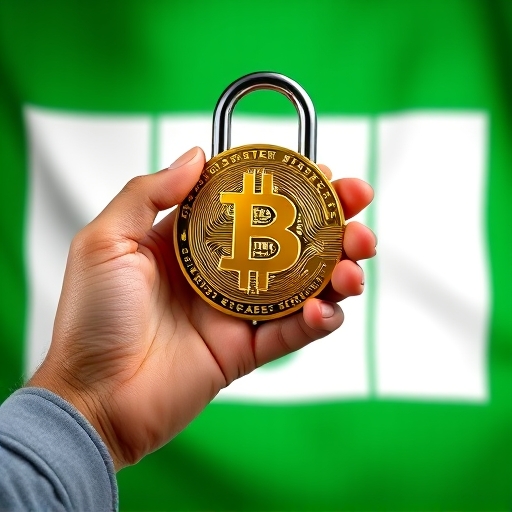
What Are the Leading 5 Platforms for Selling Bitcoin in Nigeria?
Hunting for the best app to sell Bitcoin in Nigeria means weighing reliability alongside juicy rates and intuitive designs. These platforms shine differently: some excel in P2P matchmaking for tailored deals, others deliver automated swaps for speed demons. Grasping their unique edges—from liquidity pools to integration with local banks—lets you pick the ideal match for your volume, timeline, and risk appetite, turning a potentially chaotic process into a streamlined win.
Remitano (Specializing in P2P Connections and High Liquidity)
Remitano thrives as a go-to P2P exchange, linking sellers directly with buyers across Nigeria. Its powerhouse feature, the escrow service, secures your BTC by holding it in a trusted vault until Naira confirmation hits your account—this neutral custody prevents “release-first” traps common in informal trades. Nigerians flock here to sell Bitcoin in Nigeria thanks to abundant liquidity, often landing deals within minutes during peak hours. Still, success hinges on your vigilance: cross-check every bank alert personally, as escrow doesn’t eliminate all deceit. KYC tiers scale with limits, starting light for small sells but ramping up for bigger volumes to comply with anti-fraud standards.
Bitmama (Emphasizing Virtual Cards and Beginner-Friendly Tools)
Bitmama distinguishes itself with a sleek, approachable interface packed with perks like virtual cards for instant spending. Though not purely P2P, it streamlines crypto-to-Naira swaps via direct fiat ramps, syncing effortlessly with major Nigerian banks for deposits and pulls. This makes it a favorite for selling Bitcoin in Nigeria, especially among newbies who dread complex charts—its app handles the heavy lifting, from rate quotes to payouts. Rates may trail pure P2P highs due to built-in margins, but the trade-off is unmatched simplicity and reliability, backed by responsive support for any hiccups.
Quidax (Tailored for Local Trades with Lightning-Fast Execution)
Quidax, a homegrown African exchange, crafts a seamless hub for Nigerians to buy and sell Bitcoin in Nigeria. It excels in zippy Naira handling—deposits credit almost instantly, withdrawals zip to banks in under an hour—catering to those craving quick cash flow amid daily hustles. As a centralized setup, it mirrors stock exchanges with order books and charts, minus the wild P2P swings. Mandatory KYC, involving ID uploads and selfies, underscores its focus on clean, regulated ops, shielding users from shady actors while fostering trust in a skeptical market.
Breet (OTC Focus: Effortless Conversions Without Trading)
Breet flips the script with over-the-counter (OTC) magic, letting you swap BTC for Naira sans charts or bids—perfect for folks who just want cash, stat. Users targeting an easy sell Bitcoin in Nigeria love its fixed-rate quotes and auto-payouts straight to banks, often within minutes. This no-fuss automation cuts errors and time, drawing from a deep buyer pool to keep rates sharp. It’s a breath of fresh air for high-volume sellers dodging P2P drama, all while embedding compliance checks to keep things legit.
LoadNG (Automated Exchanges for Hands-Off Speed)
LoadNG masters the automated lane, churning BTC-to-NGN trades with machine precision for ultimate convenience. Deposit your coins, hit convert, and watch Naira flow to your account—no chats, no waits, just results. Ideal for busy Nigerians aiming to sell Bitcoin in Nigeria without babysitting deals, its backend algorithms match liquidity instantly, factoring real-time rates. KYC locks in security, weeding out fraud while enabling scalable volumes, making it a staple for repeat cash-outs.

How Do You Follow Step-by-Step Instructions to Sell BTC for Naira Right Away?
Unlocking instant Naira from Bitcoin demands a methodical approach across platforms, blending prep work with sharp execution. Though UIs differ, the core sequence—from signup to cash-in-hand—stays universal, slashing errors and boosting speed for those instant payout chasers. Mastering it equips you to handle volume spikes or market dips confidently.
- Create and Verify Your Account: Start by picking a trusted name like Remitano or Breet, then register with basics like email and phone. KYC follows swiftly—upload a government ID (e.g., NIN or passport) and address proof if needed. This step, often 5-30 minutes, unlocks full features and builds a fraud-proof profile, as platforms use it to flag risks early.
- Transfer Bitcoin to the Platform Wallet: Post-verification, head to the BTC deposit area for a custom wallet address—copy it precisely to avoid losses. From your personal wallet (e.g., Trust or hardware), send the exact amount; networks confirm in 10-60 minutes, depending on congestion, readying your balance for sale.
- Select and Initiate Your Sell Option: Opt for P2P (scan buyer ads for top rates and banks like GTBank), exchange orders, or auto-swap. In P2P, filter by payment speed and volume; the platform matches or lets you post offers, previewing Naira yields upfront for informed picks.
- Validate Payment and Finalize Release: P2P buyers send Naira—log into your bank app/site to eye the actual deposit, ignoring buyer proofs. Only then mark as paid, triggering escrow BTC release to them. Auto-services skip this, piping Naira directly post-conversion, often in seconds, for true seamlessness.
Diligence at every turn, especially payment checks, fortifies your trades against pitfalls. This blueprint not only accelerates conversions but arms you with habits for sustained crypto success in Nigeria’s evolving scene.
What Advanced Safety Tips Help Dodge P2P Scams in Nigeria’s Crypto Scene?
P2P shines for flexibility and rates when you sell Bitcoin in Nigeria, but it invites Proof of Payment (PoP) fraud—where crooks fake transfers to snag your BTC. Their ploys, from Photoshopped slips to spoofed alerts, exploit trust; countermeasures demand proactive checks to stay ahead.
The unbreakable rule: Hold your Bitcoin tight until your bank dashboard shows cleared funds. Dive into your app’s transaction log for timestamps and details—dismiss all buyer-submitted “evidence” as potential fakes. Watch for red flags like rush tactics (“Pay now or deal dies!”), phantom delays, or overpayment refunds post-release, which trigger chargebacks. Platforms’ chat logs serve as your paper trail; escalate oddities to support pronto for interventions like trade freezes.
Embrace “verify relentlessly”: enable 2FA, limit exposure with small tests, and study scam reports on forums. This mindset swaps blind speed for fortified gains, mirroring real-world cash verifies in Nigeria’s bustling markets.
Which App Delivers the Best Bang for Your Buck on Fees?
Fees can devour profits when you sell Bitcoin in Nigeria, lurking as deposit hits, trade cuts, or pull charges—dissecting them reveals true value. Platforms layer these variably, so match your style (P2P vs. auto) to the cheapest fit without rate sacrifices.
Our table snapshots common setups; rates shift with volumes/promos—always refresh from official pages pre-trade for accuracy.
| Platform | Deposit Fee (BTC) | Trading Fee (Selling BTC) | Withdrawal Fee (NGN) | Notes |
|---|---|---|---|---|
| Remitano | Typically 0% | 0% for P2P (spread applies) | Varies by bank/amount | P2P spread can be significant. |
| Bitmama | 0% | Varies (0.5% – 1.5%) | Flat fee + % | Competitive rates for direct conversions. |
| Quidax | 0% | 0.2% – 0.5% | Fixed NGN fee | Tiered fees based on volume. |
| Breet | 0% | 0% (rate includes spread) | 0% | Automated, no trading interface. |
| LoadNG | 0% | 0% (rate includes spread) | 0% | Automated, focuses on instant conversion. |
Breet/LoadNG tout zero fees, baking spreads into quotes for predictability, while Remitano’s P2P lets market forces yield better (riskier) deals. Quidax’s low explicit cuts pair with tight spreads for volume pros. Weigh speed vs. negotiation: autos win ease, P2P potential highs.
What’s Your Optimal Route to Cashing Out Bitcoin in Nigeria?
Your cash-out blueprint pivots on needs: blistering speed, peak rates, or fortress security. Speed fiends thrive on Breet/LoadNG’s auto-magic—dump BTC, snag Naira bank-direct with zero chit-chat, ideal for urgent bills or hedges.
Rate chasers? Remitano’s P2P arena lets you haggle premiums from eager buyers, but arm with scam shields and patience. Hybrids like Quidax/Bitmama blend velocity, oversight, and fair shakes via structured trades.
No one-size-fits-all—gauge tolerance, timeline, interface savvy. Test micro-trades, track CBN shifts/news, and iterate for mastery in Nigeria’s crypto frontier.
Frequently Asked Questions (FAQ)
Which app gives the highest rate for Bitcoin in Nigeria?
The app offering the “highest rate” for Bitcoin in Nigeria can vary daily due to market fluctuations. P2P platforms like Remitano often allow for more competitive rates as sellers can set their own prices. Automated platforms like Breet or LoadNG offer straightforward rates that include their spread. It’s recommended to compare rates across several platforms at the time of your transaction to find the most favorable offer.
Is it legal to sell Bitcoin in Nigeria in 2026?
While the Central Bank of Nigeria (CBN) has issued directives restricting financial institutions from facilitating cryptocurrency transactions, it has not outright banned individuals from holding or trading crypto. This has led to a thriving P2P market. Users should be aware of the regulatory landscape and choose platforms that prioritize compliance and security, understanding that direct bank transfers for crypto might be scrutinized.
How long does it take to receive Naira after selling BTC?
The time to receive Naira after selling BTC can range from instant to a few hours. Automated platforms like Breet and LoadNG typically offer near-instant payouts. On P2P platforms like Remitano, the speed depends on the buyer’s bank and their promptness in making the transfer, which can range from minutes to a few hours. Always verify payment in your bank account before releasing your Bitcoin.
Can I sell Bitcoin in Nigeria without KYC?
Most reputable platforms that allow you to sell Bitcoin in Nigeria require Know Your Customer (KYC) verification due to anti-money laundering (AML) regulations. While some smaller, unregulated platforms might allow transactions without full KYC, using them carries significant risks, including potential loss of funds, legal issues, or exposure to scams. It is strongly advised to use platforms that enforce KYC for your own security.
What should I do if a P2P buyer doesn’t pay?
If a P2P buyer fails to pay after you’ve initiated a transaction, immediately initiate a dispute on the platform. Most P2P platforms have a dispute resolution process where their support team will investigate the issue. Provide all relevant evidence, such as chat logs and transaction IDs. Crucially, do not release your Bitcoin until you have confirmed receipt of funds in your bank account.
