
30-Second Quick Read: Key Takeaways
- High-Performance L1 Blockchain: Avalanche stands out as a high-performance Layer 1 blockchain that leverages its innovative “tri-chain architecture” to deliver sub-second transaction finality, effectively tackling the blockchain trilemma of security, decentralization, and scalability by separating concerns across specialized chains for optimal efficiency.
- Subnets Technology Empowerment: Through its groundbreaking “Subnets” feature, Avalanche enables businesses and developers to rapidly launch highly customizable, interoperable dedicated blockchains tailored to specific needs, dramatically broadening the platform’s applicability across diverse industries and use cases.
- Potential Deflationary Mechanism: The AVAX token incorporates a unique “fee burning mechanism” where all transaction fees are permanently destroyed rather than distributed to validators, creating ongoing deflationary pressure on the token supply that intensifies with increased network activity and usage.

What Is Avalanche (AVAX)? A 3-Minute Guide to Grasping Its Core Concepts
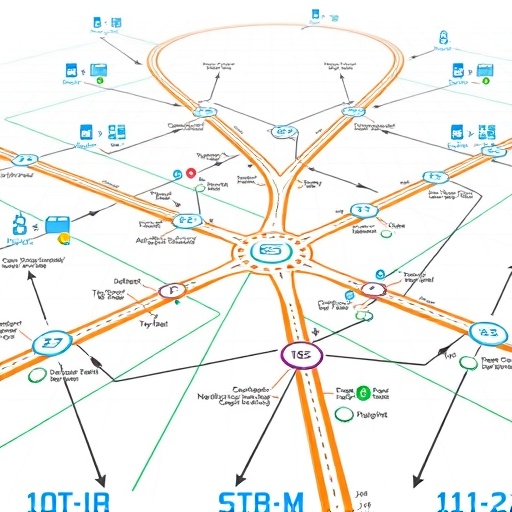
In the ever-evolving landscape of blockchain technology, Avalanche (AVAX) emerges as a standout contender, far more than just another public chain—it’s a comprehensive ecosystem designed to function as the “blockchain of blockchains.” Picture Ethereum as a crowded urban thoroughfare struggling with peak-hour traffic; in contrast, Avalanche operates like a vast interstate hub with countless customizable expressways, each optimized for specific traffic patterns while seamlessly interconnecting. This visionary approach empowers Avalanche to deliver unparalleled performance, effortless scalability, and robust security, making it a prime choice for developers and enterprises seeking reliable infrastructure.
At the heart of Avalanche’s appeal lies its pioneering “tri-chain architecture” combined with “Subnets” technology, which fundamentally reimagines how blockchains handle diverse workloads. Conventional blockchains cram every function—asset transfers, consensus coordination, and smart contract execution—onto a single chain, inevitably creating bottlenecks during high demand. Avalanche sidesteps this by distributing responsibilities across three purpose-built chains: the X-Chain for asset creation and exchanges, the P-Chain for platform management and validator coordination, and the C-Chain for EVM-compatible smart contracts. This modular design not only boosts overall throughput but also achieves sub-second transaction finality—meaning once a transaction is confirmed, it’s virtually irreversible. Such rapid finality is a game-changer for latency-sensitive applications like decentralized finance (DeFi) protocols requiring instant settlements or Web3 experiences demanding real-time interactions, where even brief delays can erode user trust and adoption.
What truly sets Avalanche apart and sparks excitement is its “Subnets” innovation, akin to bespoke private lanes in the blockchain highway system. Individuals, corporations, or consortia can spin up fully sovereign, hyper-customizable blockchain networks tailored precisely to their requirements—complete with native tokens, bespoke consensus rules, and even access controls like mandatory KYC verification. These Subnets plug into the primary network, inheriting its security guarantees while maintaining autonomy, which elegantly resolves enterprise hurdles around regulatory compliance and bespoke functionality. Translating this into familiar terms, it’s like ditching shared public cloud servers for private instances that interoperate flawlessly. This capability unlocks vast potential for decentralized applications, immersive Web3 gaming ecosystems, and real-world asset (RWA) tokenization, providing a scalable backbone that adapts to real-world complexities rather than forcing them into rigid molds.
If you’re eager to dive deeper into everything Avalanche (AVAX) has to offer, keep reading to uncover its mechanics, economics, history, and more.
How Does Avalanche Operate? What Sets It Apart from Bitcoin and Ethereum?
The operational mechanics of Avalanche represent its strongest competitive edge, diverging sharply from legacy designs like Bitcoin and Ethereum at the foundational level. Bitcoin’s Proof-of-Work (PoW) prioritizes ironclad security and decentralization but at the steep cost of sluggish transaction speeds and energy inefficiency. Ethereum, while revolutionary with smart contracts, grappled with exorbitant gas fees and prolonged finality under PoW—issues partially mitigated post-merge but still lagging in raw performance. Avalanche masterfully navigates the blockchain trilemma—balancing security, decentralization, and scalability—through its proprietary “Avalanche Consensus” protocol intertwined with the tri-chain framework, enabling unprecedented efficiency without compromising core tenets.
The Tri-Chain Architecture: A Masterclass in Specialized Division of Labor
Avalanche’s tri-chain setup forms the bedrock of its superior performance, with each chain meticulously assigned distinct roles that synergize for seamless operation. This separation prevents resource contention, allowing parallel processing and specialization that amplify network capacity far beyond monolithic alternatives.
- X-Chain (Exchange Chain – Asset Chain): Dedicated to the creation, management, and trading of assets, the X-Chain employs a Directed Acyclic Graph (DAG) structure rather than linear blocks. This topology enables concurrent transaction processing without waiting for sequential confirmations, resulting in lightning-fast asset transfers. By mimicking high-throughput distributed ledgers like those in IOTA or Nano, it handles high-volume exchanges with minimal latency, making it ideal for token issuances and peer-to-peer swaps.
- P-Chain (Platform Chain – Platform Chain): Acting as the ecosystem’s command center, the P-Chain oversees validator nodes, staking activities, and Subnet lifecycle management—from inception to governance. Every Subnet registers here and relies on P-Chain validators for security, fostering interoperability while upholding network-wide standards. This central coordination ensures that even as the ecosystem fragments into custom chains, it remains cohesively protected and scalable.
- C-Chain (Contract Chain – Contract Chain): The go-to chain for most developers, the C-Chain mirrors Ethereum’s Virtual Machine (EVM) byte-for-byte, permitting seamless porting of Solidity contracts and DApps. This compatibility slashes migration friction, allowing Ethereum projects to leverage Avalanche’s speed and affordability. Consequently, it hosts the lion’s share of DeFi platforms, NFT marketplaces, and Web3 games, driving explosive ecosystem growth.
Avalanche Consensus: The Secret Sauce Behind Sub-Second Finality
Diverging from Bitcoin’s Nakamoto consensus or Ethereum’s Proof-of-Stake, Avalanche harnesses the “Snow Family” of metastable consensus protocols rooted in probabilistic sampling. Rather than requiring global unanimity—which scales poorly—nodes iteratively poll random subsets of peers, refining their conviction through repeated voting rounds until supermajority confidence emerges. This gossip-like propagation converges exponentially fast, yielding sub-second finality where transactions lock in irreversibly almost instantly. For contexts like high-frequency trading, micropayments, or live multiplayer games, this eliminates the uncertainty of reorgs or orphan blocks plaguing slower chains, revolutionizing real-time blockchain usability.
In essence, Avalanche’s tri-chain segregation streamlines workflows for peak efficiency, while its consensus innovation propels blistering finality. These pillars propel it ahead of Bitcoin and pre-merge Ethereum in raw metrics, paving the way for blockchain’s mainstream viability across finance, gaming, and beyond.
What Are AVAX Tokenomics? Exploring Supply, Distribution, and Inflation Mechanics
Grasping AVAX tokenomics is essential for gauging its enduring value proposition, as this native token isn’t merely fuel—it’s the lifeblood sustaining Avalanche’s operations across multiple dimensions. From fee payments to security staking and governance, AVAX underpins every facet, intertwining utility with economic incentives to foster sustainable growth.
Maximum Supply and Inflation Model: Building Deflationary Dynamics
Capped at a maximum supply of 720 million tokens, AVAX eschews endless inflation plaguing many peers by implementing a trailblazing “fee burning mechanism.” Every gas fee generated from transactions—whether simple transfers or complex contract calls—is fully incinerated, vanishing from circulation permanently instead of rewarding validators directly. This deflationary engine accelerates with network demand: busier chains burn more AVAX, contracting supply and potentially buoying price. Validators earn via separate staking emissions, striking a balance that incentivizes participation without diluting scarcity, thus aligning long-term holder interests with platform vitality.
Token Distribution Breakdown: Striking Equilibrium for Growth and Fairness
AVAX’s genesis allocation was architected with foresight, apportioning supply to nurture validators, fuel innovation, and reward early backers without destabilizing markets:
- Staking Rewards (Approximately 50%): Half the supply seeds ongoing emissions for stakers, calibrated by stake size and duration to lure validators. This robust pool secures the network against attacks while discouraging short-term speculation, promoting a committed, decentralized validator cadre.
- Team and Foundation Allocations: Dedicated portions empower Ava Labs and the Avalanche Foundation, vested over extended cliffs to align incentives with milestones. These funds bankroll grants, marketing blitzes, and partnerships, catalyzing ecosystem maturation without premature dumps.
- Seed and Private Investors: Early financiers received slices with stringent lockups and vesting schedules, mitigating sell pressure and ensuring capital deploys toward development rather than quick flips.
- Public Sale: A tranche opened participation to the broader community, democratizing access while bootstrapping liquidity.
AVAX’s Multifaceted Utility Scenarios
Beyond economics, AVAX permeates practical roles, amplifying demand:
- Network Fees: Mandatory for transactions, executions, and Subnet launches, embedding scarcity as activity surges.
- Staking and Validation: Lockups empower node operation or delegation, yielding rewards while fortifying consensus.
- Governance: Holders vote on upgrades, fees, and params, embedding true decentralization.
- Subnet Deployment: Minimum stakes bootstrap new chains’ security, tying token value to expansion.
Overall, AVAX’s tokenomics weave deflationary scarcity with versatile utility, crafting a resilient framework primed for exponential adoption.
What Is the Origin and Evolution of Avalanche?
Avalanche’s narrative springs from a critical examination of orthodox blockchain constraints, charting a storied path that underscores relentless innovation in pursuit of scalable, efficient systems.
From Anonymous Whitepaper to Academic Realization
The Avalanche concept crystallized in 2018 with a seminal whitepaper, “Snowflake to Avalanche: A Novel Metastable Consensus Protocol Family for Cryptocurrencies,” penned by the enigmatic “Team Rocket.” Echoing Satoshi Nakamoto’s pseudonymity, this document unveiled the Snow Family protocols—probabilistic engines for rapid, scalable agreement. Transitioning theory to practice fell to Cornell professor Emin Gün Sirer, a distributed systems luminary and Ava Labs founder/CEO. His team engineered the consensus into a production-grade platform, birthing Avalanche as a deployable reality.
Pivotal Milestones and Ecosystem Momentum
- September 2020: Mainnet Launch. This watershed event propelled Avalanche from blueprint to battle-tested network, inviting global builders to harness its prowess and igniting organic growth.
- 2021: Blizzard Fund Debut. A $230 million war chest turbocharged development, funding DeFi innovators, NFT creators, and enterprise pilots to populate the chain with high-caliber projects.
- 2023: AWS Partnership. Teaming with Amazon Web Services streamlined node orchestration on cloud infrastructure, slashing barriers for enterprises and lending institutional credibility through a tech titan alliance.
- 2026: Avalanche9000 Overhaul. This transformative upgrade slashes Subnet barriers, enabling frictionless, low-cost custom chain spins. By modularizing tools and optimizing economics, it cements Avalanche as a BaaS powerhouse, luring RWA tokenizers and beyond.
Avalanche’s odyssey—from cryptic origins to L1 vanguard—affirms its consensus ingenuity and Web3 infrastructure ambitions.
What Are the Strengths and Weaknesses of AVAX? Essential Pros, Cons, and Risk Assessment for Investors
Avalanche (AVAX), as a premier Layer 1 contender, dazzles with technical prowess yet harbors hurdles warranting scrutiny. Balanced insight equips users and investors for informed navigation.
Key Advantages of AVAX
- Blazing Transaction Speed and Finality: Sub-second irrevocability via Avalanche Consensus outpaces rivals, suiting high-velocity DeFi, payments, and gaming where delays kill viability.
- High Throughput (4,500+ TPS): Massive concurrency averts congestion, curbing fees even under load.
- Seamless EVM Harmony: C-Chain’s fidelity accelerates DApp migrations, bootstrapping vibrant liquidity.
- Subnet Supremacy: Tailored chains with sovereign rules—KYC-gated or token-native—unlock enterprise and RWA frontiers while pooling security.
- Fee Incineration: Total burns forge deflation, rewarding usage with scarcity.
Primary Drawbacks and Risks
- Steep Validator Stakes (2,000 AVAX Minimum): Capital intensity risks validator concentration; delegation mitigates but doesn’t erase centralization qualms.
- Fierce L1/L2 Rivalry: Solana et al. and Ethereum rollups erode edges via relentless iteration.
- Hardware Hurdles: Node ops demand beefy specs, sidelining casual participants.
- Subnet Adoption Lag: Conceptual brilliance awaits enterprise digestion amid complexity.
- Volatility Exposure: Macro swings, regs, and sentiment amplify downside.
Avalanche excels in innovation and niches like RWAs, but thresholds and competition demand vigilant strategy.
How Can You Stake AVAX? Complete Passive Income Tutorial
Staking AVAX offers a gateway to network contribution and yields under PoS, supplanting PoW mining. Lock tokens to validate, earning emissions—via validator or delegator paths.
Running as a Validator
Validators anchor security, crafting blocks and attesting transactions:
- Stake Threshold: 2,000 AVAX Minimum: Ensures skin-in-game against malice.
- Hardware Specs: Potent CPU/RAM/SSD and bandwidth for relentless uptime.
- Expertise: Mastery of configs, monitoring, and ops.
- Lockup Periods: 2 weeks to 1 year, freezing assets.
Higher yields and sway come at ops overhead.
Delegating as a User
Accessible entry for masses:
- Low Bar: 25 AVAX: Inclusive yields.
- Validator Vetting: Probe uptime, fees, stake via dashboards.
- Effortless: Wallet clicks suffice (e.g., Core).
- Durations: Aligned with validators.
APY ~7-9%, fluctuating dynamically.
Yields and Pitfalls
- Slashing: Penalties for downtime/doublesigning ripple to delegators—vet wisely.
- Illiquidity: Locks bar trades amid volatility.
- Contract Risks: Third-party vulns lurk.
Staking suits HODLers; diligence unlocks rewards.
What Lies Ahead for AVAX? Technical Upgrades, Strategies, and Hurdles
Avalanche’s triumphs fuel bolder horizons: scalability leaps, interoperability boosts, enterprise conquests.
Avalanche9000: Ushering Subnets’ Prime Time
2026’s Avalanche9000 democratizes Subnets via plug-and-play modules, slashing costs:
- Modularity: Lego-like presets accelerate builds.
- Efficiency: Lean validation trims overhead.
- Interconnectivity: Fluid cross-chain flows.
BaaS evolution beckons SMEs, gamers, RWAs.
Institutional RWA Magnet
JPM/Citi pilots herald tokenization surge; Subnets nail compliance-custom fits.
Trials Amid Triumphs
- Competition: L1s/L2s nip heels.
- Ecosystem: Lure killer apps.
- Decentralization: Ease barriers sans perf hits.
- Macros: Volatility looms.
Avalanche9000 could crown it Web3 kingpin—if challenges yield.
Frequently Asked Questions (FAQ)
Can You Mine AVAX Coins?
No, AVAX operates on a Proof-of-Stake (PoS) consensus mechanism, not Proof-of-Work (PoW). This means you can’t mine it using traditional hardware like GPU rigs. Instead, to earn rewards and support the network, you participate via “staking,” locking your AVAX tokens to help secure the chain and validate transactions, in return for staking rewards.
How Is Avalanche Better Than Ethereum?
Avalanche outperforms Ethereum (especially in its PoW era) in several key areas:
- Speed and Finality: Avalanche delivers sub-second transaction finality for ultra-fast confirmations, unlike Ethereum’s longer waits.
- Fees: Dramatically lower costs on Avalanche, plus its fee-burning creates deflationary token pressure.
- Scalability: Tri-chain and Subnets handle massive volume with custom chains—beyond Ethereum’s sharding roadmap.
- EVM Compatibility: C-Chain’s full Ethereum VM match eases DApp ports, lowering barriers.
That said, Ethereum boasts a larger dev community, battle-tested history, and superior decentralization (post-PoS), so each shines differently.
What Are Avalanche Subnets?
Avalanche Subnets are “chains within chains” or fully bespoke blockchains. Anyone—individuals, businesses, devs—can launch independent, customizable networks interoperable with the mainnet. Each Subnet can feature:
- Custom consensus, native tokens for fees, and rules.
- Tailored validators (e.g., KYC-mandated).
- Optimized for niches like gaming, enterprise alliances, or RWAs.
Subnets offer unmatched flexibility and scale, sharing mainnet security for infinite parallel custom chains—true “blockchain of blockchains.”
Is AVAX Worth Investing In?
AVAX, a top Layer 1, shines in tech innovation, ecosystem buildup, and institutional ties. High performance, low fees, EVM compatibility, and Subnets position it strongly in DeFi, Web3 gaming, and RWAs. AWS collab and Avalanche9000 upgrades signal bright prospects.
Yet, crypto risks abound: volatility, regs, competition, high staking thresholds. DYOR, gauge risk tolerance— this isn’t advice; treat as high-risk.
