
30-Second Quick Read: Key Takeaways
- Total Cost of Ownership: When picking fiat deposit methods on crypto exchanges, don’t just focus on visible trading fees—keep an eye out for sneaky hidden charges like deposit spreads (the difference between buy and sell prices) and withdrawal costs. These often overlooked elements can quietly inflate your overall expenses, eating into the actual amount of crypto you end up buying with your money.
- Security and Compliance: Centralized exchanges (CEXs) under strict regulation implement thorough KYC (Know Your Customer) and AML (Anti-Money Laundering) checks, while also offering Proof of Reserves reports and insurance funds. This setup provides a much stronger safety net for your fiat deposits compared to unregulated alternatives, protecting against hacks, fraud, and operational failures.
- Payment Method Choices: Options like ACH in the US or SEPA in Europe generally come with the lowest fees and are reliable for larger deposits, though they take a few days to clear. Credit cards, on the other hand, deliver instant access but carry steep fees—often over 3%—due to merchant processing and potential cash advance penalties from your bank, so use them sparingly for big investments.

Why Does Choosing the Right Fiat-to-Crypto Gateway Matter So Much in 2026?
In 2026, picking the perfect fiat-to-crypto gateway has become an even bigger deal, as it profoundly shapes the true value of your starting investment and smooths out your entire trading journey. A smart on-ramp slashes away slippage—those pesky price shifts during conversion—and uncovers hidden fees, meaning more of your real-world money, such as USD or EUR, actually turns into valuable crypto holdings. This initial conversion step, often called a “fiat on-ramp,” serves as your essential entryway into the blockchain economy, and how efficiently it works dictates precisely how much buying power you carry forward into trades.
Grasping ideas like liquidity pools proves vital in this context; these are vast reserves of assets on an exchange that allow massive buy orders to go through without causing wild price swings, thereby minimizing slippage and preserving your capital. On the flip side, opting for a subpar gateway might chip away at your funds right from the start through exorbitant charges or lousy exchange rates, long before your first market order hits. It’s far more than just spotting a site that handles your home currency—true savvy lies in zeroing in on platforms delivering sharp rates, ironclad security, and an effortlessly navigable setup. Opening this perspective reveals exactly why sharp investors meticulously scrutinize every deposit detail to maximize their edge.
How Did We Rank the Best Fiat-to-Crypto Exchanges: What Was Our Methodology?
To deliver a guide you can truly bank on, our ranking of top fiat-to-crypto exchanges dives way deeper than basic side-by-side charts. We blend hard data crunching with real-world user feedback to evaluate platforms holistically, stripping away hype to spotlight factors that count most for seamless, secure fiat conversions. This approach mirrors traditional finance rigor but tailored to crypto’s fast-paced reality, boiling down intricate criteria into five pivotal benchmarks that reveal a platform’s true strengths.
- Security (KYC/AML): Platforms topping our list boast ironclad KYC and AML systems, which verify user identities and flag suspicious activities to prevent fraud. They also publish clear Proof of Reserves—independent audits showing they hold matching assets—and maintain hefty insurance pools to cover potential losses. For centralized exchanges (CEXs), this regulatory backbone means your fiat stays shielded from hacks or mismanagement, fostering trust in an industry rife with past scandals.
- Fees (Deposit + Trading): We go beyond flashy headline trading fees by dissecting the full picture: subtle spreads in fiat-to-crypto swaps (where the platform’s buy price exceeds market rates), varying deposit charges per payment type, and extraction costs on withdrawals. This holistic “total cost of ownership” view uncovers how seemingly cheap options can surprise you with extras, helping users pinpoint real bargains.
- Supported Fiat Currencies: Exchanges shining here support a broad spectrum of fiat like USD, EUR, GBP, and AUD, paired with region-specific payments such as local bank apps or e-wallets. This global compatibility breaks down barriers, letting users from anywhere deposit without currency headaches or extra conversion losses.
- User Experience (UX): We test for beginner-friendly designs with simple sign-ups, drag-and-drop deposits, and crystal-clear status trackers. Superior UX cuts frustration, speeds up onboarding, and keeps errors low—crucial since a clunky interface can lead to missed opportunities or accidental fees during your first fiat buy.
- Customer Support: Top performers offer round-the-clock help via live chat, email, and phone, with agents who grasp crypto nuances. Quick resolutions to deposit snags or verification hiccups prevent small issues from snowballing, ensuring your fiat ramp stays reliable even under pressure.

What Are the Top Fiat-to-Crypto Exchanges in 2026? In-Depth Reviews
Drawing from our stringent evaluation process, these standout platforms lead the pack for fiat-to-crypto conversions, each dominating in key areas like protection, affordability, and simplicity. They strike an optimal mix, turning your everyday cash into crypto with minimal friction and maximum safeguards, ideal for anyone bridging traditional finance to the digital asset world.
Why Is Kraken a Top Pick for Security and Compliance?
Kraken earns its elite status through relentless focus on security and rule-following, especially appealing in Europe and North America where regulations bite hardest. It caters brilliantly to everyone from fresh faces to pros, always putting fund safety front and center amid crypto’s volatile backdrop. Its pricing transparency avoids surprises, while deep liquidity in countless trading pairs ensures smooth, large-scale fiat entries without market jolts.
Standout elements include cold storage for nearly all holdings—keeping assets offline from hackers—frequent Proof of Reserves checks by third parties, and strict KYC/AML enforcement that weeds out bad actors. American users love its dependable ACH and wire options for USD deposits, which process reliably and feed straight into high-volume crypto buys, making Kraken a fortress-like gateway you can count on year-round.
What Makes Bitget Excel in Fiat Variety and Copy Trading Features?
Bitget’s meteoric rise stems from its vast array of fiat deposit channels and cutting-edge tools like copy trading, drawing in users worldwide with unmatched flexibility. By embracing local currencies and payments everywhere, it erases geographic hurdles, letting you swap hometown money for crypto without the usual international fee traps.
Copy trading lets newcomers shadow expert moves automatically, mirroring portfolios to learn while earning—perfect for building strategies without starting from scratch. Bitget keeps pushing fiat ramps forward, streamlining paths from diverse currencies to staples like USDT or USDC stablecoins and beyond, all while keeping the process intuitive and fee-conscious for everyday traders.
Why Do US Investors Favor Coinbase for Simplicity and Clear Regulations?
Coinbase holds strong sway among Americans thanks to its no-fuss design and spotless regulatory record, positioning it as the effortless crypto starter pack. It demystifies buying for total beginners, with U.S. compliance perks like possible FDIC coverage on USD balances in select setups adding rare bank-level reassurance.
Deposits flow easily via ACH bank links, debit swipes, or wires, turning fiat into assets in steps anyone can follow. Sure, speedier “instant buys” carry a fee premium, but the combo of rock-solid reliability, legal shields, and polished flows makes it the default for safety-first users chasing hassle-free entry.
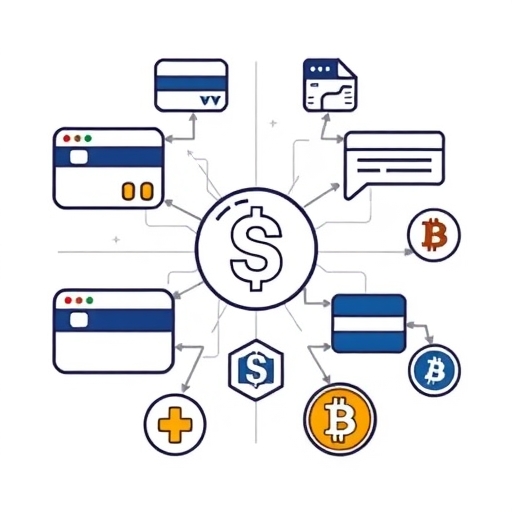
How Do Fees Stack Up: ACH vs. Wire Transfer vs. Credit Cards?
Mastering fee breakdowns across deposit types is key, since they nibble directly at your investment pot—choosing wisely can save you percentages right off the bat. Instant methods tempt with speed but sting the wallet, while patient routes like bank transfers preserve more capital over time through rock-bottom costs.
Credit card charges lead the pack in expense, frequently topping 3% thanks to processor markups and banks slapping on cash advance rates that compound quickly on bigger sums. ACH shines for U.S. folks as a near-free path, though its 3-5 business day wait tests patience as funds clear through the banking network. Europe’s SEPA mirrors this efficiency for EUR, often fee-free and wrapping in 1-2 days via unified rails. Wires speed things up versus ACH but hit with flat bank levies—always tally these against exchange quotes for the unvarnished total spend.
Why Does the Regulatory Landscape Make KYC Essential for Your Protection?
Crypto’s rulebook tightens yearly, mandating KYC and AML on fiat gateways to curb crimes—yet this “red tape” doubles as your frontline defense. By confirming identities and tracing flows, these checks block fraudsters, terror funders, and launderers, keeping markets clean and your deposits out of crossfire.
Platforms honoring the Travel Rule—which shares transaction data between firms—prove more stable, backed by laws offering dispute fixes and consumer rights. Privacy seekers might eye KYC-free spots, but regulated CEXs deliver superior safeguards: verified trades mean less hack risk, plus legal muscle if things go south, making compliance a smart shield for your fiat bridge.
What Role Are Payment Processors Like Simplex, MoonPay, and Banxa Playing in Fiat-to-Crypto?
Exchanges’ built-in ramps get a boost from third-party wizards such as Simplex, MoonPay, and Banxa, which plug into CEXs and dApps for lightning-fast buys via cards or banks. They’re game-changers when your exchange skips your preferred method, instantly swapping fiat for crypto destined for your wallet.
Convenience reigns—they bypass delays for “funds now” urgency—but intermediaries mean pricier spreads and fees versus direct exchanges. Compare their rates head-to-head with bank options; for speed demons, the premium pays off, but cost hunters stick to natives for better yields on larger plays.
Which Fiat-to-Crypto Exchange Should You Pick in 2026?
Your perfect match hinges on skills, spot on the map, and priorities—U.S. newbies craving simplicity and rules often land on Coinbase for its guided handholding. Security hawks in compliant zones gravitate to Kraken’s fortress-grade tools and oversight.
Bitget tempts with fiat flexibility and copy perks for explorers. Pros chase liquidity oceans and tight maker/taker spreads. Balance costs, shields, payments, and feel—DYOR, gauge risks, and align with your style for lasting wins.
Frequently Asked Questions (FAQ)
What is the best fiat-to-crypto exchange for beginners in the US?
For US beginners, Coinbase stands out with its super intuitive layout, easy purchase steps, and solid regulatory backing. Buying crypto using USD through ACH or debit cards feels effortless, even if instant options carry higher fees.
Which exchange has the lowest fees for buying Bitcoin with a credit card?
Credit card crypto buys usually hit high fees (3%+) on most exchanges and processors like Simplex or MoonPay. To cut costs, switch to bank transfers like ACH or SEPA—they’re cheaper but slower.
Can I buy crypto with fiat without KYC?
Some P2P or DEX setups allow small no-KYC fiat trades, but risks skyrocket with fraud and no backups. Regulated spots demand KYC on fiat ramps for AML compliance and user safety.
How long does a fiat-to-crypto bank transfer typically take?
Times differ: US ACH runs 3-5 business days; Europe SEPA hits 1-2 days. Wires often clear in 1 day but add bank charges.
What is the difference between an exchange and a fiat gateway like Simplex?
Exchanges like Coinbase or Kraken let you trade, sell, and deposit fiat directly. Gateways such as Simplex, MoonPay, or Banxa handle card-to-crypto buys as middlemen, sending funds to your account—handy but fee-heavier.
